By Interestana AI Editorial — AI-drafted, human-overseen. How we report
NYC Adds 40 Electric School Buses With 20% Cost Reduction
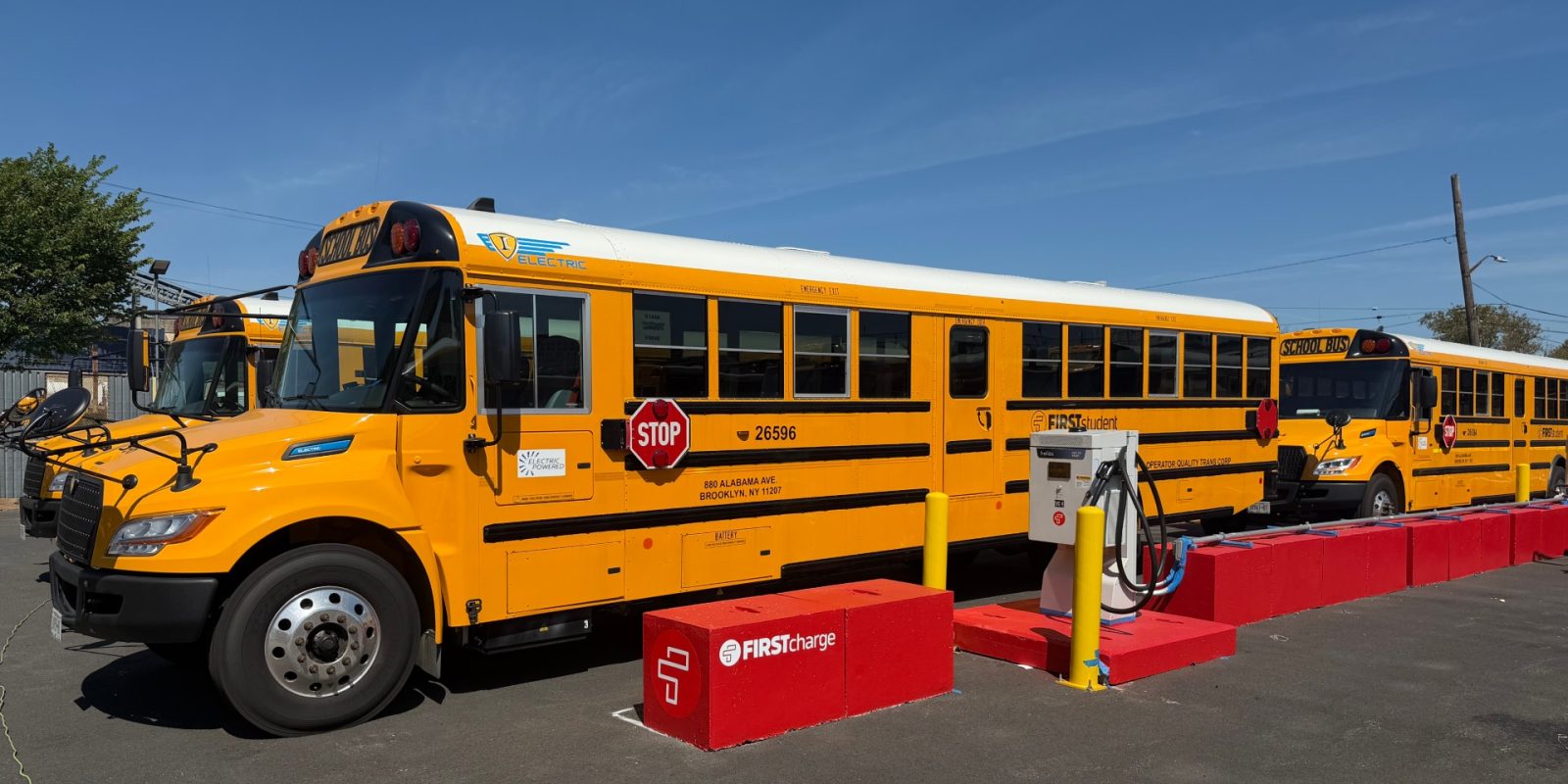
First Student has introduced 40 new electric school buses to its fleet operating in New York City, marking a significant step in the city's transition to cleaner transportation for its students. This deployment follows the successful completion of the initial phase of a charging infrastructure project, which First Student reports resulted in a 20% reduction in associated costs. This cost-saving measure was achieved by strategically phasing the project, allowing for a more efficient and economical build-out of the necessary charging facilities. The company has not disclosed the specific technologies or methodologies employed to achieve this 20% cost reduction, but the success of this initial phase is expected to inform future electric school bus deployments.
This initiative is part of a broader effort by New York City and its transportation partners to electrify school bus fleets, aiming to reduce greenhouse gas emissions and improve air quality around schools. Electric school buses offer a quieter operation and zero tailpipe emissions, contributing to a healthier environment for students and communities. The operational details of these 40 buses, including their routes and the specific schools they will serve, have not yet been fully detailed. However, their integration into the existing school transportation network is expected to be seamless, leveraging First Student's extensive experience in school bus operations.
The financial implications of this project extend beyond the initial infrastructure savings. Electric school buses typically have lower operating and maintenance costs compared to their diesel counterparts, due to fewer moving parts and the absence of liquid fuels. While the upfront purchase price of electric buses can be higher, the total cost of ownership over the lifespan of the vehicle is often more favorable. First Student's ability to reduce upfront infrastructure costs by 20% further enhances the economic viability of this transition. The company operates a large fleet of school buses across North America, and this New York City project serves as a pilot for potential scaling of similar cost-saving strategies.
The success of this charging project's first phase, leading to a 20% reduction in infrastructure expenses, is a critical development for the wider adoption of electric school buses. It demonstrates that innovative planning and execution can mitigate some of the financial barriers associated with electrifying large fleets. First Student's commitment to sustainability and operational efficiency is highlighted by this achievement. The company anticipates that the lessons learned from this phase will be instrumental in future projects, potentially accelerating the timeline for electrifying more school bus routes across the country. The specific number of charging stations installed or the capacity of the charging infrastructure were not provided in the initial announcement.
Original source — read the full reporting at the publisher:
Read on ElectrekGet the weekly AI digest
AI news + new model releases, weekly. Drafted by our agents, reviewed by humans.