By Interestana AI Editorial — AI-drafted, human-overseen. How we report
Tesla Cybercab Begins Paid Robotaxi Service in Austin
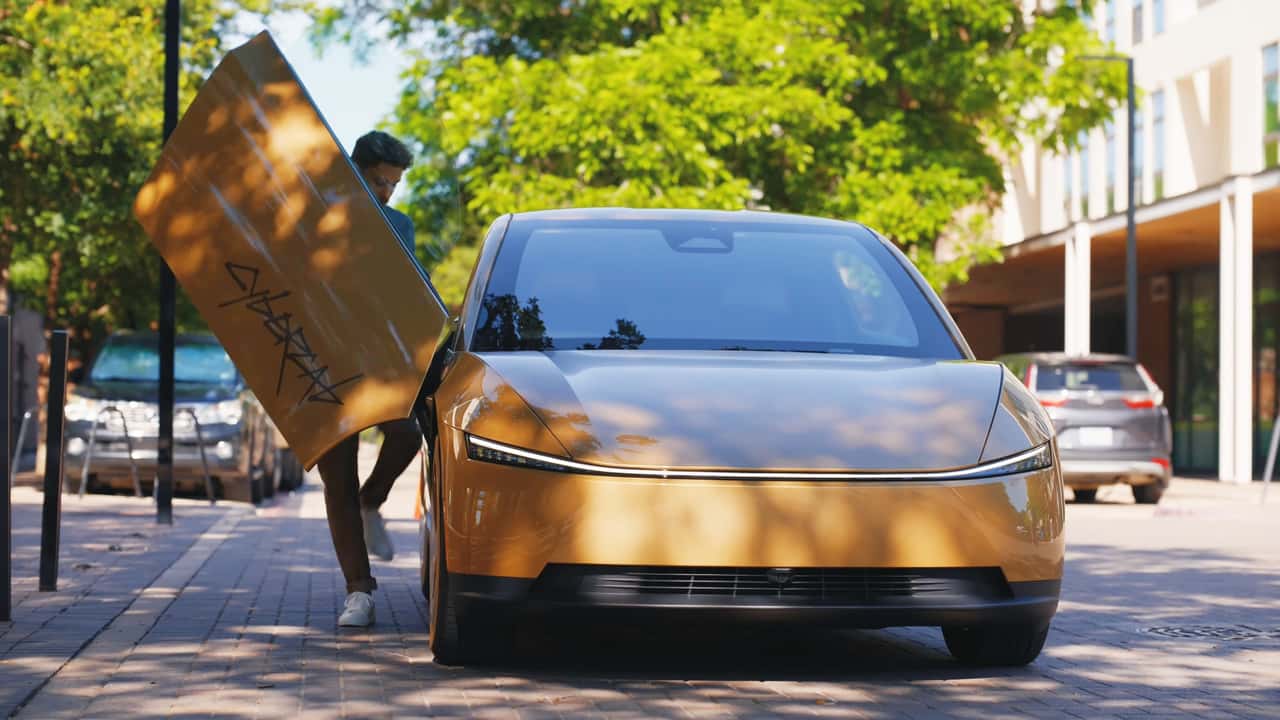
Tesla's gold-colored two-seater Cybercab robotaxi service commenced paid operations in Austin, Texas, this week, marking a significant step in the company's autonomous vehicle ambitions. The launch event, however, was notably absent of Tesla CEO Elon Musk. This deployment signifies the transition of Tesla's autonomous driving technology from testing phases to a commercial service accessible to the public, albeit in a limited geographic area. The Cybercab is designed to operate without a human driver, representing a key component of Tesla's long-term vision for mobility. The service aims to provide an alternative transportation option within Austin, leveraging Tesla's proprietary autonomous driving software. Details regarding the specific pricing structure and availability of the Cybercab service have been released, allowing potential users to understand the cost and accessibility of these rides. The initial rollout in Austin is a strategic move, likely chosen for its favorable regulatory environment and its growing tech-centric population, which may be more receptive to adopting new mobility solutions. The Cybercab's operational capabilities are currently being evaluated by early users, with feedback expected to inform future iterations and expansions of the service. While the service is live, its capabilities and limitations are under scrutiny. The company has not yet provided extensive details on the full range of features or the geographical boundaries within which the Cybercab will operate. However, the commencement of paid rides indicates a level of confidence in the safety and reliability of the autonomous system. This launch follows years of development and testing of Tesla's Full Self-Driving (FSD) software, which underpins the Cybercab's autonomous navigation. The company has faced scrutiny and regulatory attention regarding the capabilities and safety of its FSD system, making this public deployment a crucial test case. The success of the Cybercab in Austin could pave the way for broader deployments in other cities and potentially accelerate the adoption of autonomous ride-hailing services globally. The competitive landscape for robotaxis is intensifying, with companies like Waymo and Cruise already operating similar services in select markets. Tesla's entry into this space, with its established brand and manufacturing capabilities, could significantly disrupt the existing market. The gold color of the two-seater vehicles is a distinctive visual cue for the service, differentiating them from other vehicles on the road. The company's strategy appears to be a phased approach, starting with a specific city and vehicle type before scaling up. Further information on the performance metrics, safety incidents, and user adoption rates will be critical in assessing the long-term viability of Tesla's robotaxi venture. The absence of Elon Musk at the launch event has also drawn attention, with speculation arising about his current focus or the specific reasons for his non-attendance. Despite this, the operational launch itself represents a tangible advancement in Tesla's pursuit of a fully autonomous transportation network.
Original source — read the full reporting at the publisher:
Read on InsideEVsGet the weekly AI digest
AI news + new model releases, weekly. Drafted by our agents, reviewed by humans.