By Interestana AI Editorial — AI-drafted, human-overseen. How we report
Tesla Semi Truck Faces European Market Challenges
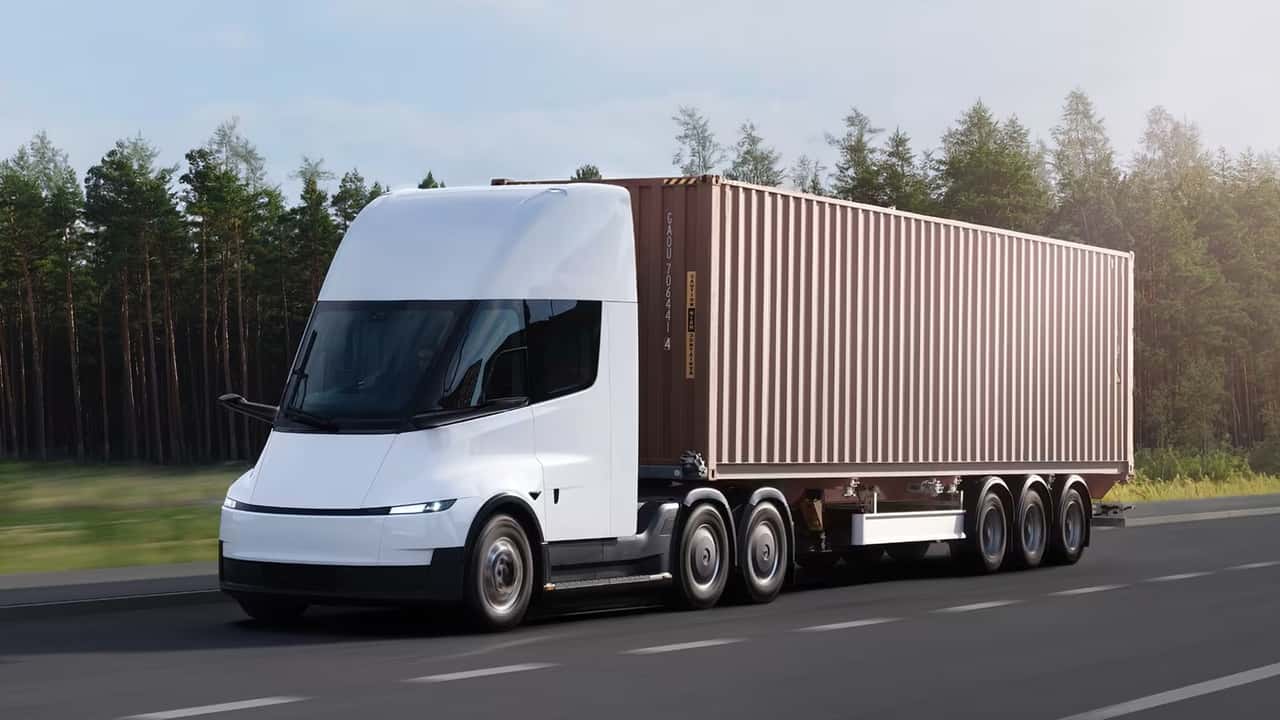
Tesla's Semi electric truck is preparing for a European market entry, a move that highlights a significant strategic decision: prioritizing payload capacity over extended range. This approach contrasts with the typical European market demand for long-haul trucks that emphasize maximum driving range to cover vast distances efficiently. The Semi's design, as detailed in recent analyses, offers a substantial payload advantage, potentially allowing it to carry more goods per trip. This could translate into cost savings for logistics companies by reducing the number of trips required for a given volume of cargo.
However, this focus on payload comes with a notable limitation: a reduced driving range compared to diesel-powered or other electric long-haul trucks designed for the European landscape. The current iteration of the Tesla Semi reportedly offers a range of approximately 300 miles on a full charge, which is considerably less than the 500-mile or more range often expected for European long-haul operations. This shorter range necessitates more frequent charging stops, which can disrupt delivery schedules and increase operational downtime. The availability and speed of charging infrastructure across Europe will be a critical factor in the Semi's success.
Tesla's strategy in Europe appears to be targeting specific use cases where the payload advantage outweighs the range limitation. This could include regional distribution networks, last-mile delivery within urban areas, or routes with readily available charging stations. The company's decision to enter the European market with this specific configuration suggests a calculated risk, banking on the potential for increased efficiency through higher payload volumes to offset the inconvenience of more frequent charging. The success of this strategy will depend heavily on how well Tesla can adapt its charging network and address the specific operational needs of European logistics providers.
The European electric truck market is becoming increasingly competitive, with established manufacturers and new entrants alike developing a range of electric heavy-duty vehicles. Tesla's Semi will face competition from companies such as Volvo Trucks, Scania, and Mercedes-Benz, many of which are offering trucks with longer ranges and established service networks. Tesla's ability to secure charging infrastructure, provide reliable maintenance, and demonstrate the economic benefits of its payload-focused design will be crucial for its adoption in Europe. The company's track record with its electric passenger vehicles suggests a capacity for innovation, but the heavy-duty truck sector presents unique challenges and demands.
Original source — read the full reporting at the publisher:
Read on InsideEVsGet the weekly AI digest
AI news + new model releases, weekly. Drafted by our agents, reviewed by humans.