By Interestana AI Editorial — AI-drafted, human-overseen. How we report
Tesla's New Feature May Cost Owners Up To $25,000
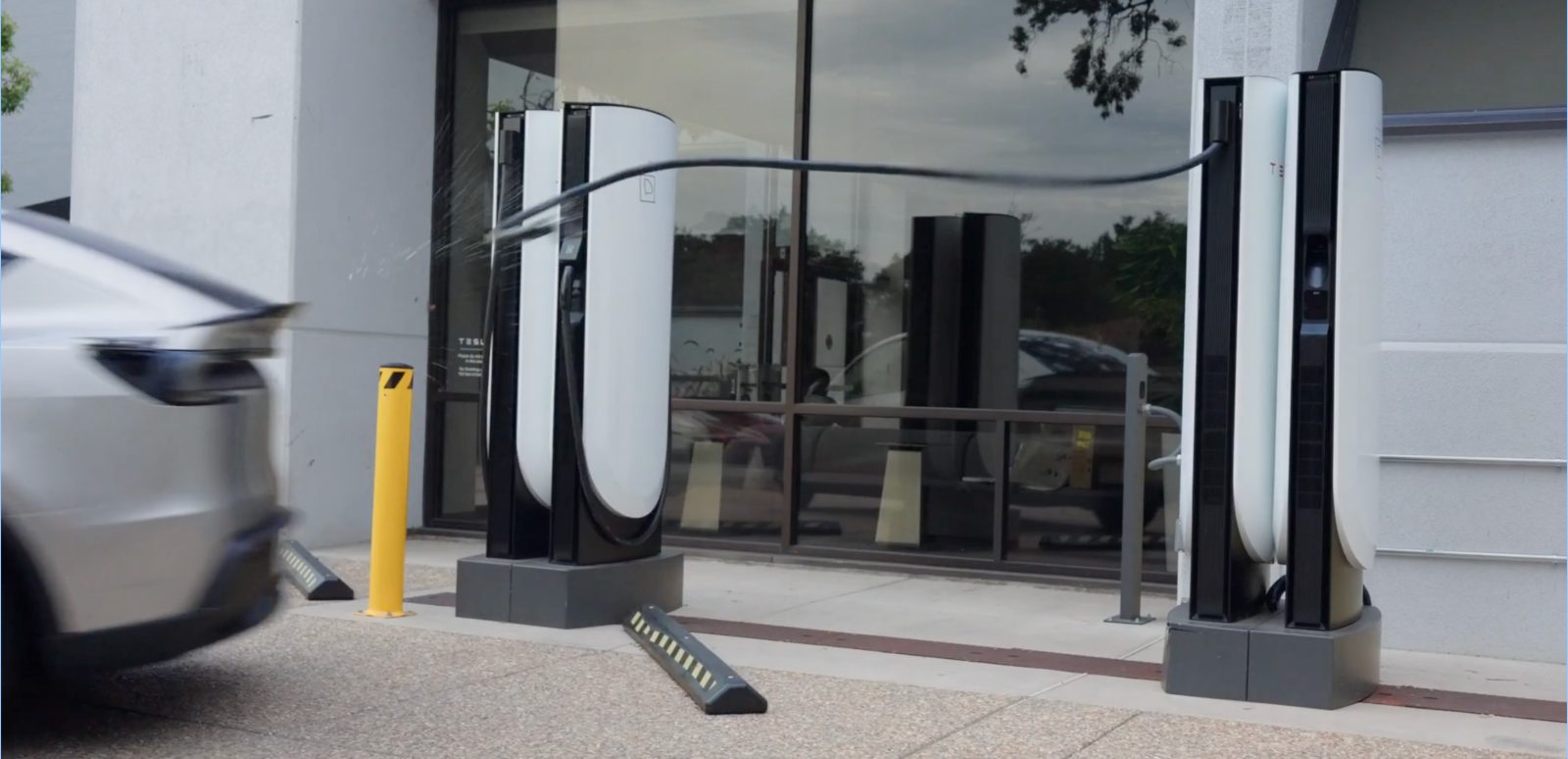
Tesla has introduced a new "Emergency Drive Away" feature that could result in significant financial penalties for owners, potentially reaching up to $25,000 per use due to damage incurred by Supercharger equipment. This feature, designed to allow vehicles to be moved in emergency situations, also necessitates a mandatory service visit for the affected car. Tesla has provided additional details regarding the functionality of this feature following inquiries from vehicle owners. However, the company has not yet clarified who will bear the financial responsibility for the substantial repair costs associated with Supercharger damage. The implications of this policy are still unfolding, and owners are seeking greater transparency on the financial liabilities involved.
The "Emergency Drive Away" feature is intended for situations where a Tesla vehicle needs to be moved urgently, such as in the event of an accident or breakdown, and the vehicle is connected to a Supercharger. The system is designed to disengage the vehicle from the charging station, but Tesla's documentation indicates that this process can cause considerable damage to the Supercharger infrastructure. The stated potential damage of $25,000 per incident highlights the severity of the issue and the robust nature of the protective measures built into the Supercharger network. This figure suggests that the physical forces involved in an improper disengagement can be substantial, leading to the need for extensive repairs or replacement of Supercharger components.
Beyond the damage to the Supercharger, the vehicle itself requires a mandatory service appointment after utilizing the "Emergency Drive Away" feature. This requirement implies that the feature's activation triggers internal system checks or resets that can only be performed by Tesla-certified technicians. The necessity of a service visit adds another layer of inconvenience and potential cost for the owner, even if the direct Supercharger damage is not their responsibility. The exact nature of the service required has not been detailed, but it suggests a complex interaction between the vehicle's software and hardware during the emergency disengagement process.
Tesla's communication on this matter has been limited, with the company releasing more information only after owners began asking questions about the feature's operational details and potential consequences. The lack of explicit statements regarding cost allocation has created uncertainty among the Tesla owner community. Owners are concerned about whether they will be billed for the Supercharger damage, the mandatory service, or both. Given the high potential cost, this ambiguity is a significant point of concern for current and prospective Tesla owners who rely on the Supercharger network for convenient charging. The resolution of this pricing and liability question is crucial for maintaining owner confidence and ensuring the smooth operation of Tesla's charging ecosystem.
Original source — read the full reporting at the publisher:
Read on ElectrekGet the weekly AI digest
AI news + new model releases, weekly. Drafted by our agents, reviewed by humans.