By Interestana AI Editorial — AI-drafted, human-overseen. How we report
Portadown Standoff Over Loyalist March Route Blocked
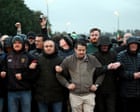
Hundreds of protesters actively blocked the route of a highly contentious loyalist parade in Portadown, Northern Ireland, on September 27, 2026. This action followed a late-night court decision that granted the Orange Order permission to march along the historically significant Garvaghy Road. This marks the first time since 1998 that the Drumcree parade has been permitted to proceed on this predominantly nationalist thoroughfare. The decision by the Parades Commission was met with strong opposition, with Sinn Féin leaders joining protesters on the streets and denouncing the clearance as "madness." The standoff highlights the enduring sensitivities surrounding parades in Northern Ireland, particularly those associated with the Orange Order, which often commemorate historical events and figures significant to the unionist community. The Garvaghy Road has been a focal point of conflict for decades, with past parades leading to significant civil unrest and political tension. The decision to allow the parade this year, after a nearly three-decade hiatus, was seen by many nationalists as a provocation and a disregard for the community's concerns. Protesters employed various methods to obstruct the parade's path, creating a tense atmosphere throughout the day. The presence of Sinn Féin leaders underscored the political dimension of the protest, aligning the party with the community's opposition to the parade. The Parades Commission, an independent body responsible for adjudicating on contentious parades, had previously restricted or rerouted the Drumcree parade away from the Garvaghy Road due to the high risk of public disorder. The reversal of this policy this year has ignited fresh debate about the management of cultural and historical commemorations in post-conflict Northern Ireland. The events in Portadown serve as a stark reminder of the complex legacy of the Troubles and the ongoing challenges in achieving lasting reconciliation and mutual respect between different communities. The blocking of the route by protesters demonstrates a continued resistance to what is perceived as an imposition on nationalist areas. The situation remained tense as authorities navigated the competing demands of freedom of assembly and the need to maintain public order. The long-standing dispute over the Garvaghy Road parade is deeply rooted in the historical narratives and political identities of both unionist and nationalist communities in Northern Ireland. The Orange Order's annual marches are a significant cultural expression for many unionists, while for nationalists, they can be seen as a symbol of historical dominance and sectarianism. The decision to allow the parade on Garvaghy Road this year, after such a prolonged period, has reopened old wounds and reignited fears of renewed sectarian strife. The protesters' determination to block the route reflects a deep-seated grievance and a commitment to defending their perceived territory and identity. The authorities are now faced with the challenge of managing the aftermath of the protest and addressing the underlying issues that continue to fuel such confrontations. The events of September 27, 2026, in Portadown are likely to have significant implications for future parade applications and the broader political landscape in Northern Ireland.
Original source — read the full reporting at the publisher:
Read on The Guardian WorldGet the weekly AI digest
AI news + new model releases, weekly. Drafted by our agents, reviewed by humans.