By Interestana AI Editorial — AI-drafted, human-overseen. How we report
T. Rex Body Temperature Estimated at 36°C Via Tooth Analysis
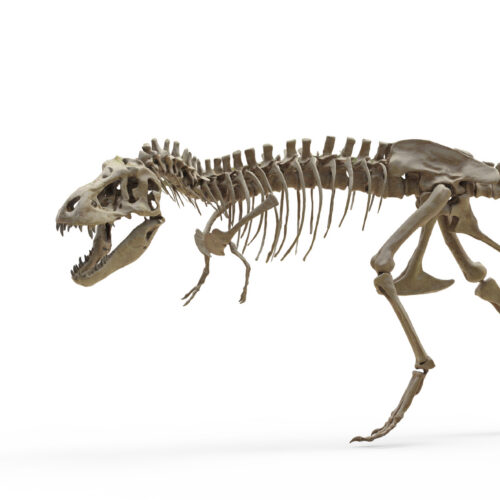
Researchers have estimated the body temperature of Tyrannosaurus rex by analyzing its teeth, suggesting a thermal physiology similar to modern warm-blooded mammals. The study, led by geochemists Randon J. Flores and Robert A. Eagle from the University of California, Los Angeles, measured the T. rex body temperature to be approximately 36 degrees Celsius. This temperature is comparable to that of a modern elephant, indicating a warm-blooded metabolic rate rather than that of a cold-blooded reptile.
For decades, paleontologists have debated the physiological nature of dinosaurs, including T. rex. Early interpretations often depicted T. rex as a slow-moving, cold-blooded creature that relied on external heat sources to regulate its body temperature. However, subsequent research, particularly influenced by depictions in popular culture like the movie Jurassic Park, began to portray dinosaurs as more active, bird-like animals. The question of whether these active dinosaurs were endothermic (generating their own body heat) or ectothermic (relying on external heat) remained a significant area of scientific inquiry. Previous studies relied on indirect evidence such as bone microstructure, growth rates, and fossil distribution to infer dinosaur physiology. Some of this indirect evidence pointed towards many dinosaurs being endotherms, while other research suggested that different dinosaur lineages might have employed unique thermal regulation strategies.
The novel approach of using teeth as a "dental thermometer" offers a more direct method for estimating body temperature. This technique leverages geochemical analysis of the tooth enamel to infer the temperature at which it formed. The findings from this study contribute significantly to the ongoing discussion about dinosaur metabolism and thermoregulation. By providing a specific temperature reading, the research moves beyond indirect inferences and offers concrete data that supports the hypothesis of T. rex being a warm-blooded animal. This has implications for understanding the dinosaur's behavior, activity levels, and its place within the broader evolutionary context of terrestrial vertebrates.
The research team's findings suggest that T. rex possessed a metabolic rate that allowed it to maintain a stable internal body temperature, much like mammals and birds today. This warm-blooded nature would have supported the high energy demands required for an active predator. The comparison to an elephant's body temperature is particularly noteworthy, as elephants are large, active mammals that exhibit endothermy. The study's methodology, focusing on geochemical signatures within dental tissues, represents a significant advancement in paleophysiological research. Future studies may apply similar techniques to other dinosaur species to build a more comprehensive picture of dinosaur thermoregulation across different lineages and geological periods.
Original source — read the full reporting at the publisher:
Read on Ars TechnicaGet the weekly AI digest
AI news + new model releases, weekly. Drafted by our agents, reviewed by humans.