By Interestana AI Editorial — AI-drafted, human-overseen. How we report
Trump Allies Profit Amid White House AI Policy
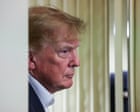
Donald Trump's sons have secured substantial government funding and contracts through their artificial intelligence-linked defense and technology ventures, totaling $620 million in Pentagon loans, a Marine Corps robotics contract, and an unspecified Air Force drone deal within the past year. This financial activity occurs as public support for artificial intelligence reaches some of its lowest recorded levels. Concurrently, Michael Dell, a longtime associate of Donald Trump, was awarded a Pentagon contract valued at nearly $9 billion. The article highlights a parallel between the financial interests of these individuals and the White House's policy direction regarding artificial intelligence, though it notes it is not definitively clear if these financial interests are directly driving policy decisions.
President Trump has publicly advocated for the artificial intelligence industry, posting on Truth Social that the only necessary "guardrails" for AI are a "STRONG AND SMART (High IQ!) PRESIDENT," asserting that the U.S. possesses such leadership. He characterized the growing opposition to AI and data centers as a "SICK conspiracy," making a series of strongly pro-AI statements throughout the week. This stance contrasts with a reported decline in public approval for AI technologies. The article suggests a potential nexus between the financial gains of Trump's allies and the administration's supportive stance on AI development and deployment, even as broader public and potentially regulatory concerns emerge.
The article points to a broader trend where individuals and entities connected to political figures are benefiting from government contracts and investments in emerging technologies like artificial intelligence. The specific contracts obtained by Trump's sons and Michael Dell underscore the significant financial opportunities present within the defense and technology sectors, particularly those leveraging AI capabilities. The lack of clearly defined "guardrails" or stringent regulatory oversight, as implied by Trump's public statements, could further facilitate these lucrative ventures. The piece implies that while the White House may not be explicitly driven by these financial interests, the policy environment it fosters appears to align with and benefit these connected parties, creating a situation where significant wealth is being generated with limited public scrutiny or established regulatory frameworks.
This situation raises questions about transparency and accountability in government contracting and policy-making, especially concerning rapidly evolving technologies like AI. The substantial financial awards to individuals closely associated with the former president, coupled with his vocal support for the industry and dismissal of concerns, suggest a complex interplay of political influence and economic opportunity. As the AI sector continues to grow and integrate into various aspects of national security and technology, the financial beneficiaries and the policy decisions that enable their success warrant continued examination. The article implies that the current environment allows for significant financial windfalls for a select group, even as public apprehension about AI's societal impact grows.
Original source — read the full reporting at the publisher:
Read on The Guardian WorldGet the weekly AI digest
AI news + new model releases, weekly. Drafted by our agents, reviewed by humans.