By Interestana AI Editorial — AI-drafted, human-overseen. How we report
London ULEZ Expansion Dramatically Improves Public Health
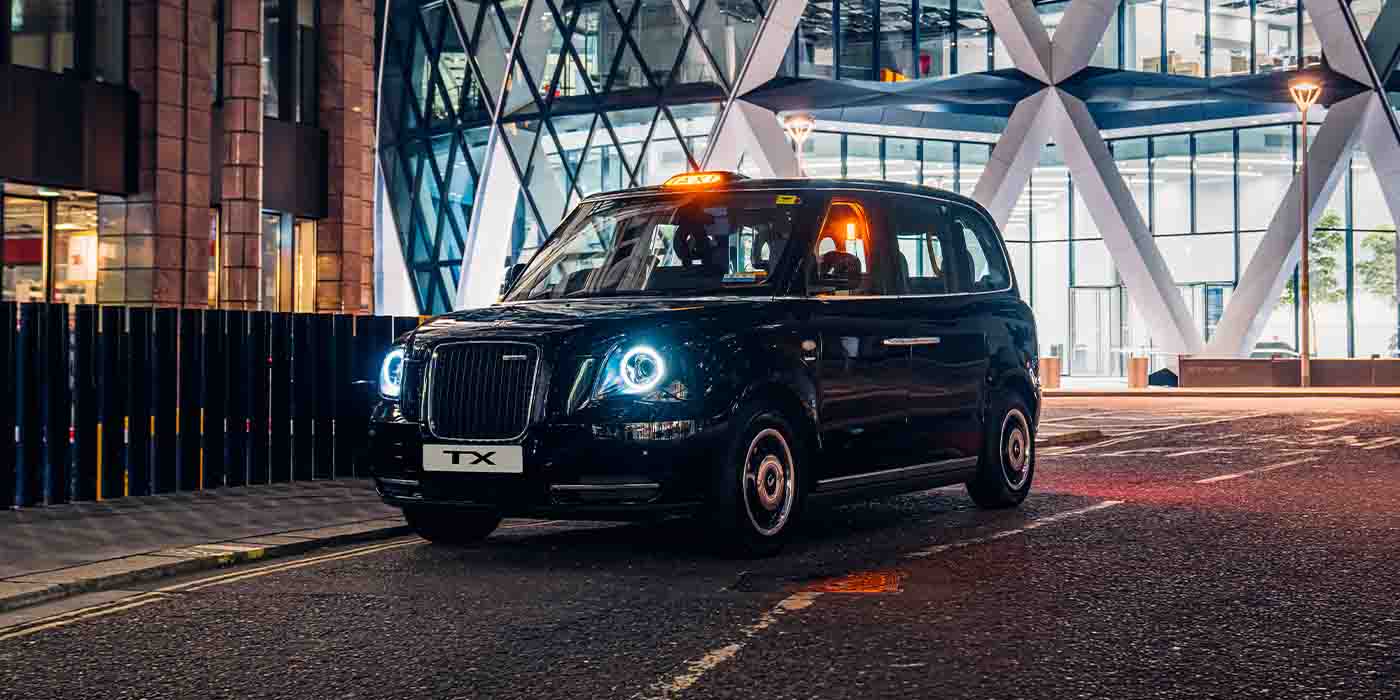
London's Ultra Low Emission Zone (ULEZ) expansion has demonstrably improved public health by significantly reducing air pollution levels within the city. The expansion, which broadened the zone to encompass all boroughs of London, has been linked to a notable decrease in harmful emissions. This initiative targets vehicles that do not meet specific emission standards, requiring them to pay a daily charge to operate within the designated area. The primary objective of the ULEZ is to encourage the use of cleaner vehicles and discourage the use of more polluting ones, thereby enhancing air quality for residents.
An updated report, released on August 19, 2026, building upon an initial article from May 15, 2025, highlights a critical public health benefit: children in London now exhibit significantly better lung function compared to the period before the ULEZ's implementation. This finding is a direct outcome of the cleaner air resulting from the reduced number of high-emission vehicles on the roads. The ULEZ operates by charging drivers of older, more polluting vehicles a daily fee of £12.50 for cars, vans, and minibuses, and £100 for heavier vehicles like lorries and buses, if they enter the zone and do not meet the required emission standards. These standards mandate that most petrol vehicles must be Euro 6 compliant, while diesel vehicles must be Euro 6 compliant. The zone initially covered central London and was expanded in August 2023 to include all 32 London boroughs and the City of London.
The success of the ULEZ in improving air quality is supported by data showing a reduction in nitrogen dioxide (NO2) levels, a key pollutant linked to respiratory problems. While the exact percentage of reduction varies across different areas within the expanded zone, studies have indicated substantial decreases, particularly on roads that previously experienced high traffic volumes of older vehicles. The policy's impact extends beyond just NO2, as it also contributes to lowering particulate matter (PM2.5) and other harmful emissions. These improvements in air quality are directly correlated with better respiratory health outcomes, especially for vulnerable populations such as children and the elderly, who are more susceptible to the adverse effects of air pollution.
The ULEZ policy is part of a broader strategy by Transport for London (TfL) and the Greater London Authority to combat climate change and improve urban living conditions. By incentivizing the transition to electric vehicles and cleaner transport options, the ULEZ aims to create a more sustainable and healthier environment for Londoners. The financial implications for drivers include the daily charge for non-compliant vehicles, but also potential savings through reduced fuel consumption and lower maintenance costs associated with newer, more efficient vehicles. Furthermore, the long-term societal benefits, such as reduced healthcare costs due to fewer pollution-related illnesses, are expected to outweigh the initial implementation and compliance expenses. The continued monitoring and evaluation of the ULEZ's impact are crucial for refining environmental policies and ensuring the sustained well-being of the city's inhabitants.
Original source — read the full reporting at the publisher:
Read on ElectrekGet the weekly AI digest
AI news + new model releases, weekly. Drafted by our agents, reviewed by humans.