By Interestana AI Editorial — AI-drafted, human-overseen. How we report
Passenger Screens Underutilized, Study Finds
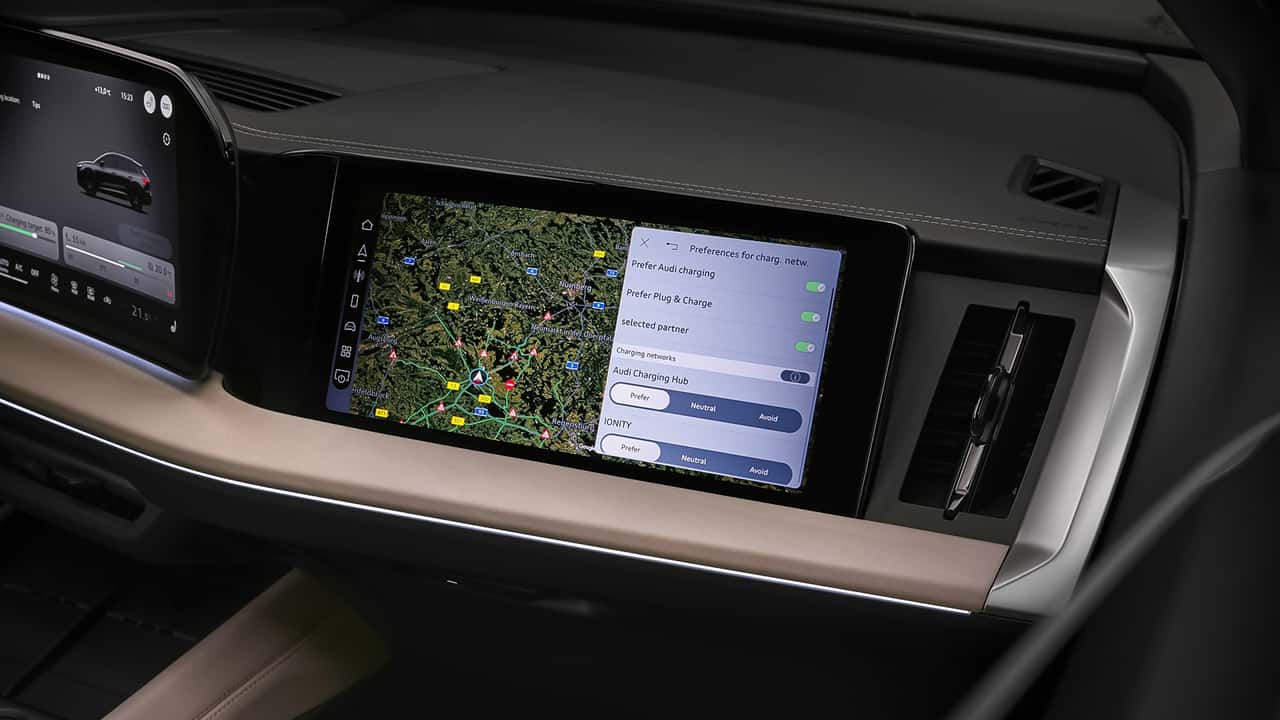
A recent study indicates that passenger screens, increasingly integrated into modern vehicles by automakers, are significantly underutilized by car occupants. The research found that a substantial number of passengers never interact with these screens, and among those who do, a notable portion encounters difficulties or finds them impractical for their intended use. This suggests a potential disconnect between automotive manufacturers' assumptions about the utility of these features and the actual passenger experience.
The study, which surveyed a diverse group of vehicle owners and passengers, aimed to understand the adoption and satisfaction rates of in-car technology, with a specific focus on passenger-facing displays. These screens, often located on the back of front seats or integrated into center consoles, are typically designed to offer entertainment, climate control adjustments, or navigation assistance to rear-seat occupants. However, the findings suggest that their perceived value by the end-user may not align with the investment automakers are making in their development and implementation.
Several factors may contribute to the low engagement with passenger screens. These can include complex user interfaces that are not intuitive, limited functionality that doesn't offer compelling content or control, or simply a lack of perceived need for such a device when passengers might prefer to use their personal mobile devices. The study also highlighted instances where passengers found the screens distracting or difficult to operate, leading to frustration rather than enhanced convenience. This raises questions about the design principles and user-centricity of current passenger screen implementations.
Automakers have been actively promoting these advanced infotainment systems as a key differentiator and a premium feature, particularly in higher trim levels and luxury vehicles. The expectation has been that these screens would enhance the overall travel experience, providing entertainment options for children on long journeys or allowing business travelers to manage cabin settings. However, the data from this study implies that the market may not be responding as enthusiastically as anticipated, potentially leading to wasted development resources and a failure to meet consumer expectations for practical and user-friendly technology. The implications for future automotive interior design and technology roadmaps are significant, suggesting a need for more thorough user research and a greater emphasis on intuitive design and demonstrable value for these integrated passenger displays.
Original source — read the full reporting at the publisher:
Read on Motor1Get the weekly AI digest
AI news + new model releases, weekly. Drafted by our agents, reviewed by humans.