By Interestana AI Editorial — AI-drafted, human-overseen. How we report
Insect Bites Increase With Warming Climate, Experts Warn
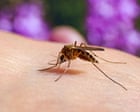
Insect populations, including mosquitoes, midges, and horseflies, are experiencing favorable conditions due to the current summer heat, leading to an increase in human bites. This phenomenon is exacerbated by human behavior, such as wearing minimal clothing and consuming alcohol, which can make individuals more attractive to these blood-sucking insects. Warm and sweaty conditions also contribute to the insects' ability to locate and target humans.
The warming climate is a significant factor driving changes in insect populations and their geographical distribution. Organizations are actively monitoring invasive species, particularly mosquitoes, due to their potential to transmit diseases like dengue and malaria. Globally, malaria alone causes over 600,000 deaths annually, according to the World Health Organization. Professor James Logan, a leading medical entomologist at the London School of Hygiene and Tropical Medicine and CEO of Dot, an "odour intelligence" company, stated that the United Kingdom faces a growing threat from mosquito-borne diseases as climate change progresses. He specifically highlighted arboviruses, such as dengue, as major concerns. While mosquitoes capable of transmitting dengue are now present throughout mainland Europe and have been observed in the UK, they have not yet established successful breeding populations or survived winters there. However, Logan cautioned that with increasingly milder winters and warmer summers, it is only a matter of time before this changes.
Experts are investigating various methods to mitigate insect bites. One intriguing suggestion involves dressing in patterns that mimic zebra stripes, as research indicates this may deter biting insects. Another practical tip is to wash one's feet, as this can reduce attractiveness to certain species. Conversely, consuming beer is noted to make individuals more appealing to mosquitoes. The effectiveness of insect repellents is also a key area of study, with ongoing research into their chemical compositions and application methods to provide longer-lasting protection. Understanding the olfactory cues that attract insects is crucial for developing more effective deterrents. Logan's company, Dot, is focused on "odour intelligence," aiming to decipher and manipulate these scent signals to create novel solutions for insect control and personal protection.
The broader implications of climate change on insect-borne diseases are a growing concern for public health authorities worldwide. As temperatures rise and weather patterns become more unpredictable, the geographical range of disease-carrying insects is expanding. This necessitates proactive surveillance and intervention strategies to prevent outbreaks. The UK's experience with mosquitoes capable of transmitting diseases like dengue serves as a microcosm of a global trend, underscoring the need for continued research and preparedness in adapting to a changing environment. The interplay between climate, insect vectors, and human health presents a complex challenge that requires interdisciplinary approaches, combining entomological expertise with public health initiatives and climate science.
Original source — read the full reporting at the publisher:
Read on The Guardian EnvironmentGet the weekly AI digest
AI news + new model releases, weekly. Drafted by our agents, reviewed by humans.