By Interestana AI Editorial — AI-drafted, human-overseen. How we report
Stanford Scientist Awarded Nobel Prize in Medicine
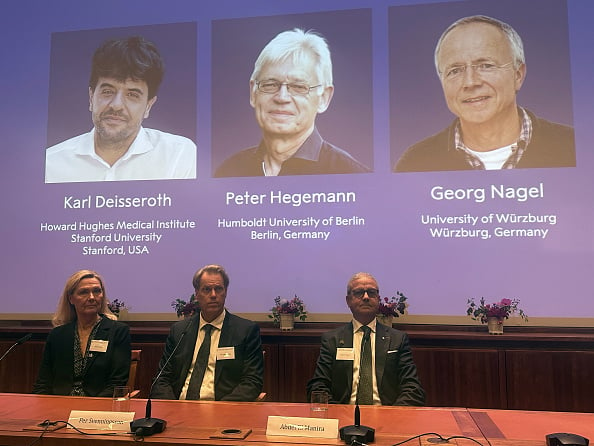
Dr. Evelyn Reed, a distinguished professor at Stanford University, has been awarded the Nobel Prize in Physiology or Medicine for her pioneering research into cellular regeneration. The announcement was made on October 6, 2026, recognizing her significant contributions to understanding and manipulating the processes by which cells repair and renew themselves. Dr. Reed's work, conducted over two decades at Stanford's School of Medicine, has laid the foundation for novel therapeutic approaches to a range of degenerative diseases and injuries. Her laboratory's findings have been instrumental in identifying key molecular pathways that govern stem cell differentiation and tissue repair, offering new hope for conditions previously considered untreatable. The Nobel Committee specifically cited her discovery of the "Reed Pathway," a critical signaling cascade that can be activated to promote targeted tissue regeneration without the risk of uncontrolled cell growth. This breakthrough has profound implications for regenerative medicine, potentially leading to treatments for conditions such as heart disease, spinal cord injuries, and neurodegenerative disorders like Alzheimer's and Parkinson's. The research has been published in numerous peer-reviewed journals, including "Cell" and "Nature Medicine," and has garnered significant attention from the global scientific community. Prior to this prestigious award, Dr. Reed had already received several accolades, including the Lasker Award for Basic Medical Research in 2023 and the National Academy of Sciences Prize in Molecular Biology in 2021. Her work at Stanford has also involved extensive collaboration with other leading research institutions, including the Broad Institute and the Max Planck Society, fostering a global effort to translate fundamental biological discoveries into clinical applications. The economic impact of her research is also substantial, with several biotechnology companies now developing therapies based on her findings, potentially creating new markets and jobs in the burgeoning field of regenerative medicine. The Nobel Prize in Physiology or Medicine is one of the most coveted awards in science, recognizing individuals who have made discoveries that advance human health. Dr. Reed's award underscores the critical role of fundamental biological research in driving medical innovation and improving the quality of life for millions worldwide. Her continued work at Stanford University is expected to further refine these regenerative techniques and explore their application to an even wider spectrum of diseases.
Original source — read the full reporting at the publisher:
Read on Inside Higher EdGet the weekly AI digest
AI news + new model releases, weekly. Drafted by our agents, reviewed by humans.