By Interestana AI Editorial — AI-drafted, human-overseen. How we report
UN Desertification Summit to Allocate $12 Billion
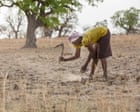
The United Nations' Conference of the Parties (Cop17) on desertification, drought, and land degradation commenced this week in Mongolia, with a primary focus on the allocation of over $12 billion in funding. This significant financial commitment is designated to assist vulnerable nations in their efforts to combat drought and land degradation, issues that have been amplified by increasingly extreme weather events globally. The summit's heightened importance is underscored by the current climate conditions, which include what may be the hottest year on record. The northern hemisphere, in particular, is experiencing severe heatwaves, leading to widespread wildfires across North America and Europe, and affecting millions across Asia. These environmental crises have brought the UN's bi-annual talks on desertification to the forefront of international climate discussions.
Scores of countries are participating in Cop17, gathering to strategize and implement measures against land degradation and desertification. The $12 billion war chest represents a substantial increase in financial support for these critical environmental challenges. This funding aims to bolster resilience in countries most susceptible to the impacts of climate change, such as prolonged droughts and the loss of arable land. The discussions will likely involve identifying priority projects, establishing transparent distribution mechanisms, and fostering international cooperation to address the root causes and consequences of desertification. The UN Convention to Combat Desertification (UNCCD) serves as the overarching framework for these negotiations, guiding global efforts to restore degraded land and promote sustainable land management practices.
The urgency of the Cop17 summit is directly linked to the escalating climate crisis. Record-breaking temperatures and the proliferation of wildfires serve as stark reminders of the planet's vulnerability. Land degradation, a process that reduces the biological productivity of land, is a significant contributor to climate change and a consequence of unsustainable land use, overgrazing, deforestation, and poor irrigation practices. Desertification, the extreme form of land degradation in arid, semi-arid, and dry sub-humid areas, threatens food security, displaces populations, and exacerbates poverty. The funds allocated at Cop17 are intended to support a range of interventions, including reforestation, sustainable agriculture, water management, and the restoration of ecosystems.
Previous UN climate conferences have highlighted the interconnectedness of climate change, biodiversity loss, and land degradation. Cop17 builds upon these findings, emphasizing the need for integrated approaches that address these challenges holistically. The success of the summit will be measured not only by the amount of funding committed but also by the concrete plans and partnerships established to ensure its effective and equitable deployment. The participation of a wide array of nations, from those most affected by desertification to major financial contributors, is crucial for forging a united front against this pervasive environmental threat. The outcomes of Cop17 are expected to shape global land management policies and investments for years to come, aiming to secure a more sustainable future for affected regions and the planet as a whole.
Original source — read the full reporting at the publisher:
Read on The Guardian EnvironmentGet the weekly AI digest
AI news + new model releases, weekly. Drafted by our agents, reviewed by humans.