By Interestana AI Editorial — AI-drafted, human-overseen. How we report
Wild Deer Release Millions of Tonnes of Methane Annually
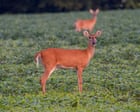
Wild deer are responsible for releasing millions of tonnes of methane into the atmosphere annually, according to a new study. While individual deer emit more methane than domesticated cows, their collective contribution to global greenhouse gas emissions is considered minuscule when compared to livestock. Methane is a potent greenhouse gas that has seen a rapid increase in atmospheric concentrations in recent years, making it challenging to pinpoint all its sources. Similar to domesticated cows, wild ruminants such as deer, moose, and llamas possess specialized gut bacteria that aid in the digestion of fibrous plant matter. This digestive process results in the release of methane as a byproduct. To quantify the methane emissions from wild ruminants, Theresia Yazbeck and her research team at the Max Planck Institute for Biogeochemistry in Jena, Germany, utilized current estimates of global wild animal populations. These population figures were then combined with methane emission estimates derived from factors such as body mass and diet. The study's findings highlight the complex and often overlooked contributions of wildlife to atmospheric composition. While the focus on greenhouse gas emissions frequently centers on human industrial activities and agriculture, this research underscores the need to consider natural biological processes. The methodology employed by Yazbeck's team involved a two-step approach: first, establishing global population estimates for various wild ruminant species, and second, applying established models to estimate methane production based on physiological and dietary characteristics. These models typically correlate an animal's metabolic rate, influenced by body mass, and the type of feed it consumes with its methane output. The researchers acknowledged the inherent uncertainties in estimating wild animal populations and the precise dietary composition of these animals in diverse habitats. However, they asserted that their approach provides a robust framework for understanding the scale of methane release from these populations. The study's conclusion that wild deer are the largest individual emitters among wild ruminants is based on their widespread distribution and significant population numbers in many regions. Despite this individual impact, the overall volume of methane produced by all wild ruminants combined is dwarfed by the emissions from billions of domesticated cattle, sheep, and goats worldwide. This comparison is crucial for prioritizing mitigation efforts aimed at reducing greenhouse gas concentrations. The research team emphasized that their findings do not suggest that wild animal methane emissions are a primary target for climate change mitigation strategies. Instead, the study serves to provide a more complete inventory of global methane sources, contributing to a more accurate understanding of the Earth's carbon cycle. Further research may explore regional variations in methane emissions from wildlife and the potential impact of environmental changes on these emissions.
Original source — read the full reporting at the publisher:
Read on The Guardian EnvironmentGet the weekly AI digest
AI news + new model releases, weekly. Drafted by our agents, reviewed by humans.