By Interestana AI Editorial — AI-drafted, human-overseen. How we report
Sotheby's T. Rex Auction Raises Scientific Concerns
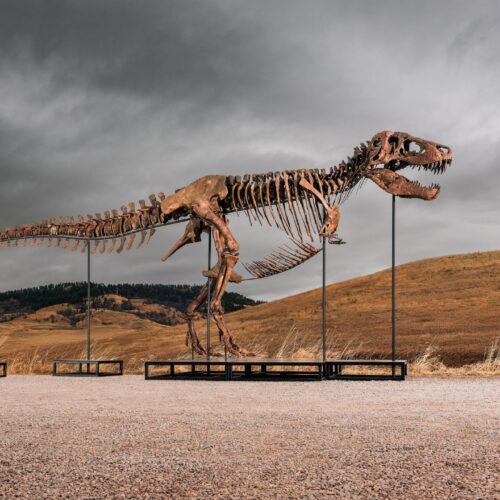
Sotheby's opened live bidding on assorted fossils on July 14, with a 67-million-year-old Tyrannosaurus rex skeleton named Gus as the centerpiece. This specimen, discovered on a ranch in South Dakota, is described by Sotheby's as one of the largest and most complete T. rexes ever found, comprising "an incredible 183 fossil bone elements" and being "approximately 61% complete by bone count." The skeleton has been mounted on a custom steel armature with replicas of missing bones, creating a posed display. Gus is projected to fetch up to $30 million, with the buyer potentially being a public museum or a private collector. Paleontologists have expressed concerns that the increasing role of private collectors in purchasing fossils at auction, fueled by hype from auction houses, is contributing to these significant historical pieces being effectively lost to scientific research when acquired as luxury assets. The trend highlights a growing tension between the commercialization of scientific discoveries and their accessibility for academic study and public education.
Original source — read the full reporting at the publisher:
Read on Ars TechnicaGet the weekly AI digest
AI news + new model releases, weekly. Drafted by our agents, reviewed by humans.