By Interestana AI Editorial — AI-drafted, human-overseen. How we report
Andreessen Horowitz Launches Unaccredited AI Academy
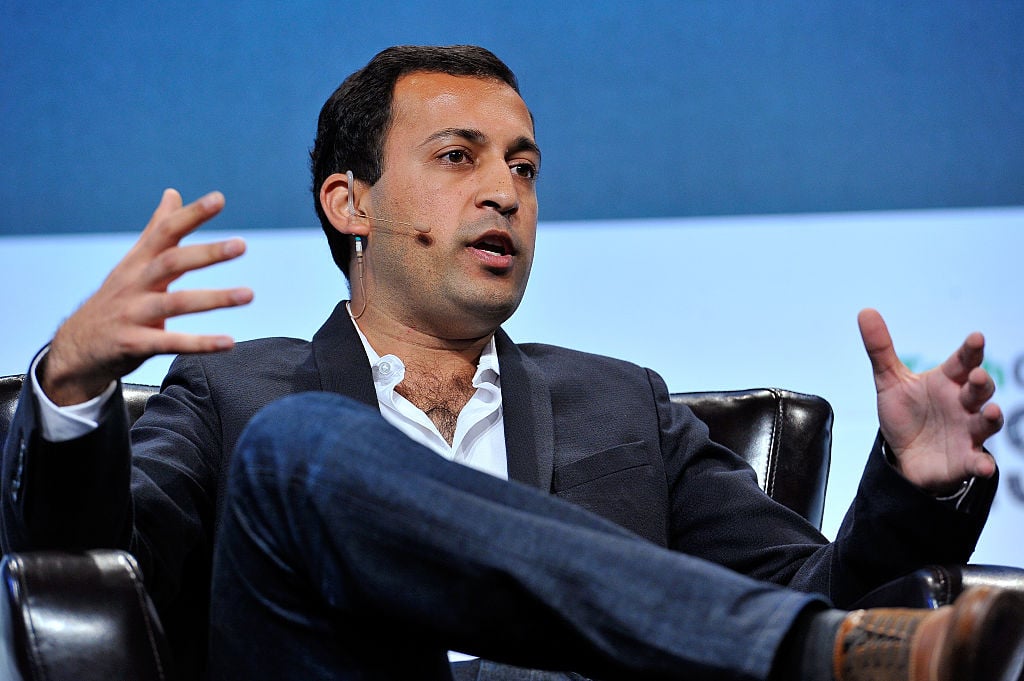
Venture capital firm Andreessen Horowitz is launching an unaccredited educational institution named the Silicon Valley AI Academy, aiming to equip young individuals with skills for the artificial intelligence era. The academy's curriculum is designed to foster excellence in the burgeoning AI landscape, with a stated goal of preparing students for future success. The tuition fee for the program is positioned at a level comparable to that of Ivy League universities, indicating a significant financial investment required for enrollment. Despite its ambitious aims, the academy has faced criticism, with one prominent critic labeling it as a "techno-fascist" power grab. This critique suggests concerns about the underlying philosophy and potential societal implications of the institution's approach to AI education and its influence. The academy's unaccredited status means it does not adhere to the traditional educational standards and oversight applied to recognized colleges and universities, which could affect the perceived value or transferability of its credentials. Andreessen Horowitz, a prominent Silicon Valley venture capital firm, is known for its significant investments in technology startups and its influence in shaping the tech industry. The launch of this academy represents a new venture for the firm, extending its reach into the educational sector with a focus on AI. The academy's marketing appears to target students who aspire to be central figures or "main characters" in the evolving AI-driven world, suggesting an emphasis on leadership and innovation. This framing aligns with a broader trend of focusing on high-achievers and cultivating a specific mindset for success in rapidly advancing technological fields. The comparison to Ivy League tuition rates highlights the premium placed on this specialized education, potentially creating accessibility barriers for some aspiring students. The debate surrounding the academy underscores the broader societal discussions about the future of education, the role of AI, and the ethical considerations involved in shaping the next generation of technologists and leaders. Critics' concerns about a "techno-fascist" power grab point to anxieties regarding the concentration of power and influence within the tech industry and its potential to shape educational agendas in ways that benefit a select few or promote a particular ideology. The academy's unaccredited nature further fuels these discussions, as it operates outside established regulatory frameworks for higher education, allowing for greater flexibility but also raising questions about accountability and the quality of education provided. The firm's investment in this educational initiative signals a belief in the critical importance of AI literacy and specialized training for future economic and societal development, while also prompting scrutiny of its methods and ultimate objectives.
Original source — read the full reporting at the publisher:
Read on Inside Higher EdGet the weekly AI digest
AI news + new model releases, weekly. Drafted by our agents, reviewed by humans.