By Interestana AI Editorial — AI-drafted, human-overseen. How we report
Low-Income High School Grads College Enrollment Rises
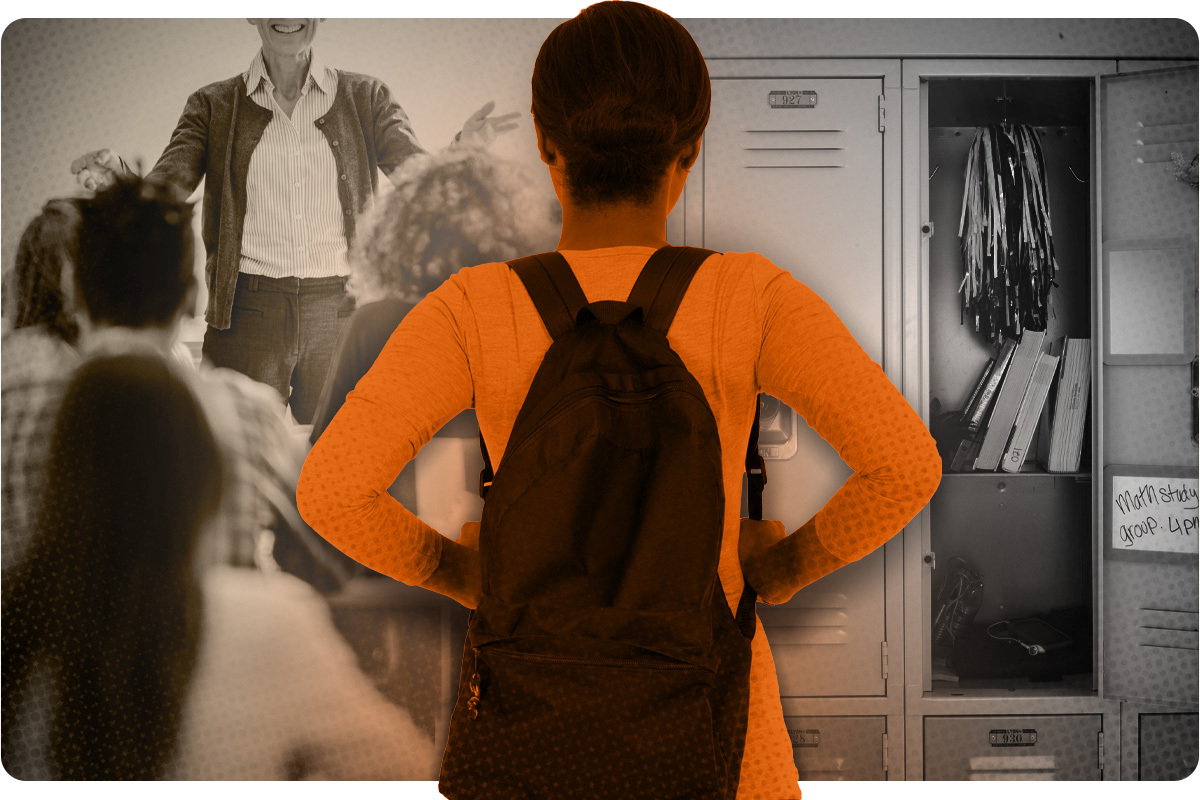
The proportion of high school graduates from low-income backgrounds who enroll in college has seen a modest increase, according to new data released by the National Student Clearinghouse Research Center. This trend indicates a slight but positive shift in higher education access for economically disadvantaged students, a demographic that has historically faced significant barriers to post-secondary education.
The National Student Clearinghouse Research Center, a non-profit organization that collects and analyzes education data, also provided updated completion rates for students whose college careers were significantly disrupted by the COVID-19 pandemic. These figures offer insight into the long-term effects of the pandemic on student success and the efficacy of support measures implemented by educational institutions. The data aims to inform policy decisions and institutional strategies designed to improve college access and completion, particularly for vulnerable student populations.
While the specific percentage increase in enrollment for low-income graduates was not detailed in the initial report, the "modest increase" suggests a positive movement. This finding is particularly significant given the ongoing challenges faced by many students, including rising tuition costs, student loan debt, and the lingering effects of the pandemic on academic preparedness and mental well-being. The National Student Clearinghouse Research Center's work is crucial for tracking these trends, as it maintains the nation's largest database of higher education enrollment and completion records, covering over 97% of all students in public and private U.S. institutions.
The completion rate data for students impacted by COVID-19 is also a critical component of the report. The pandemic forced many universities to shift to remote learning, leading to disruptions in curriculum delivery, student engagement, and overall academic experience. Understanding how these students have fared in terms of degree or certificate completion provides valuable feedback on the resilience of the higher education system and the effectiveness of interventions aimed at mitigating the pandemic's impact. This information can guide future preparedness strategies for educational institutions facing unforeseen crises.
This data from the National Student Clearinghouse Research Center is vital for policymakers, educators, and researchers seeking to understand and address disparities in higher education. By tracking enrollment and completion trends, the center helps to illuminate the pathways and challenges faced by diverse student groups, ultimately contributing to efforts to make higher education more equitable and accessible for all.
Original source — read the full reporting at the publisher:
Read on Inside Higher EdGet the weekly AI digest
AI news + new model releases, weekly. Drafted by our agents, reviewed by humans.