By Interestana AI Editorial — AI-drafted, human-overseen. How we report
Scientists Define 'Snow Eater' Heat Waves
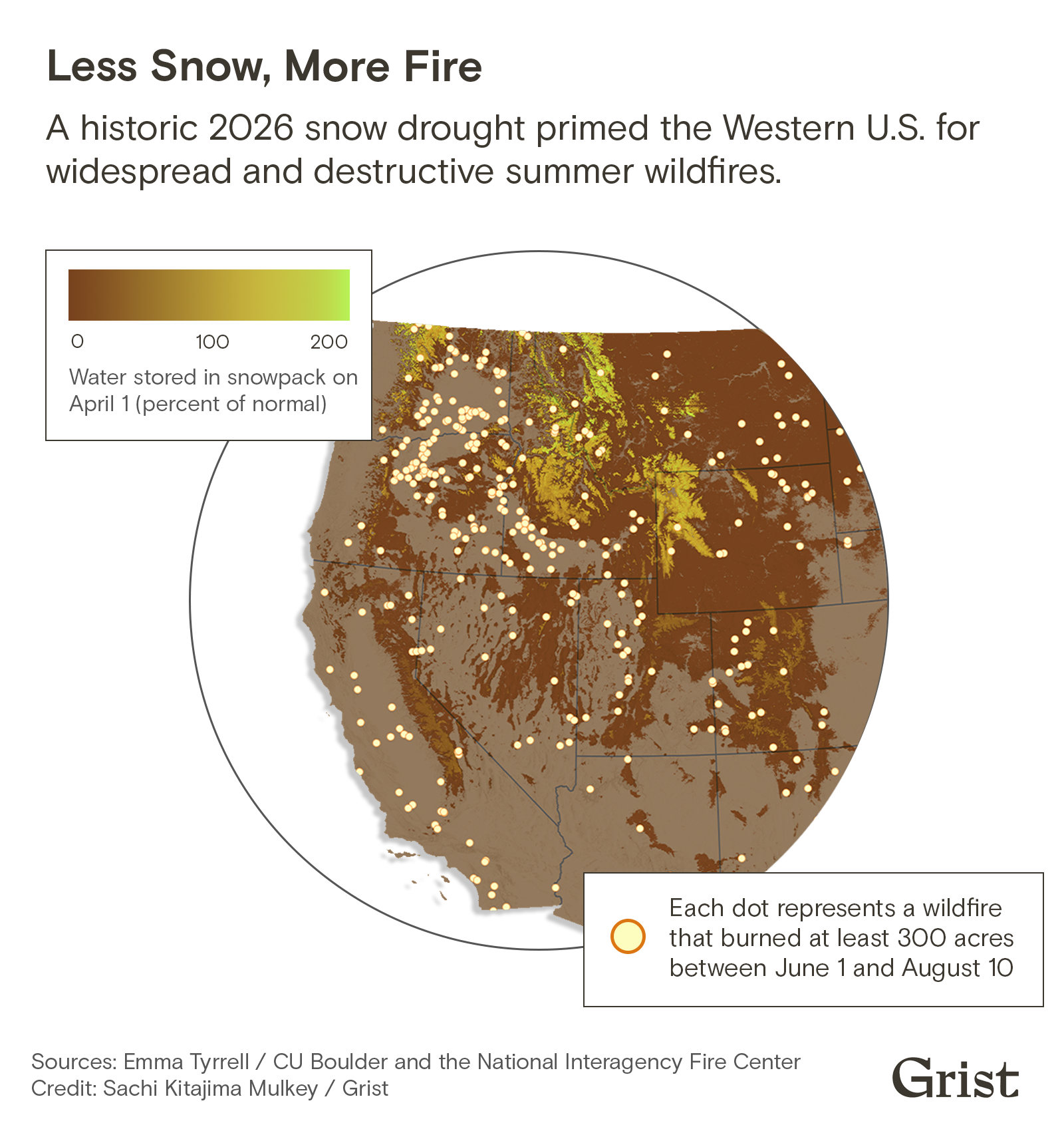
Scientists have identified and defined a new category of extreme weather event, termed 'snow eaters,' characterized by prolonged periods of unusually high temperatures that significantly accelerate snowmelt. These events occur when temperatures remain above freezing for multiple consecutive days and nights, typically lasting three to five days. Compared to standard warm spells or heat waves, 'snow eaters' can double the rate at which snowpack melts, leading to increased risks of flooding and complicating the management of vital water resources. This phenomenon is becoming more prevalent and occurring earlier in the year across the Western United States, coinciding with the broader trend of a warming climate.
The research, published in the journal Science Advances, sought to precisely define the conditions that constitute a 'snow eater' event. The study found that the geographical area impacted by these 'snow eaters' has expanded by an average of approximately 40,000 square miles per century since the 1850s. Furthermore, the onset of the first 'snow eater' of the season has been advancing by about one month per century. These findings highlight a measurable and accelerating impact on snowpack dynamics in the region.
The term 'snow eater' itself has historical roots, with references to 'snow-eating' chinook winds, which are warm mountain winds capable of rapidly melting snow, dating back to at least the 1880s. More recently, the specific phrase 'snow-eater heat wave' gained public attention in March 2024, following an early-season heat wave that affected large portions of the Western United States. This event rapidly diminished snowpack in critical mountain ranges, including the Colorado Rockies and California's Sierra Nevada, underscoring the real-world implications of these defined heat wave events.
Matthew LaPlante, a journalist and climate scientist at Utah State University, described the visual impact of these events, noting that snow levels can drop by inches overnight after a warm night above freezing, revealing underlying vegetation. This personal observation aligns with the scientific definition of 'snow eaters' and their potent effect on snowpack. The scientists involved in the study aim to improve understanding and forecasting of these events to better prepare for their consequences on water availability and flood management in snow-dependent regions.
Original source — read the full reporting at the publisher:
Read on GristGet the weekly AI digest
AI news + new model releases, weekly. Drafted by our agents, reviewed by humans.