By Interestana AI Editorial — AI-drafted, human-overseen. How we report
Russia Charges Telegram Founder Pavel Durov With Terrorism
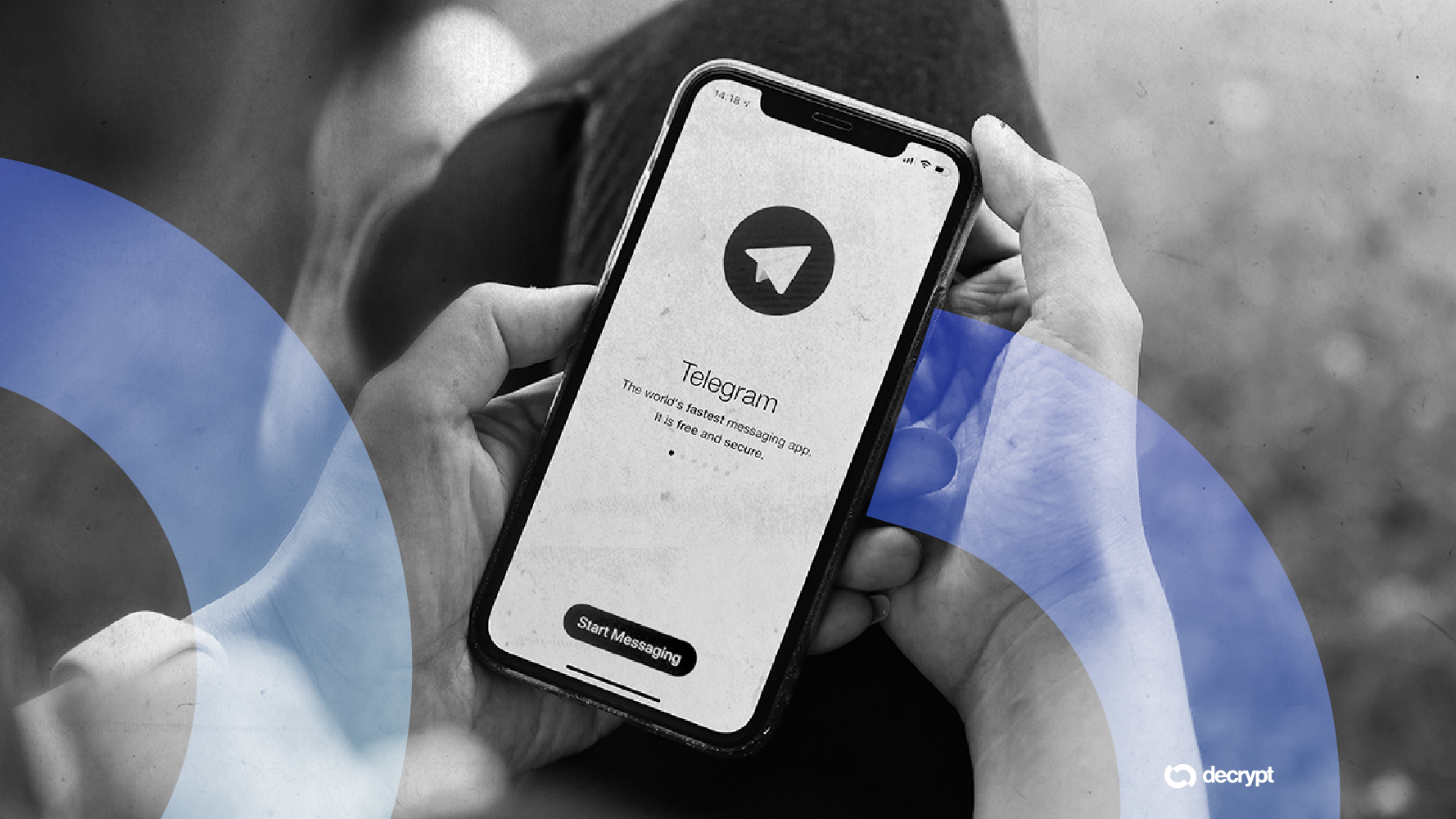
Russian authorities have formally charged Pavel Durov, the founder and CEO of the encrypted messaging application Telegram, with aiding terrorism. The charges stem from allegations that Telegram has been used by terrorists to spread propaganda and coordinate attacks. Durov, who is not currently in Russia and has been living abroad for years, has consistently denied any wrongdoing and has previously characterized Russia's legal actions against him as a "sad spectacle of a state afraid of its own people." The Investigative Committee of Russia announced the charges on March 27, 2024, stating that Durov provided assistance to individuals and groups involved in terrorist activities. While specific details regarding the evidence or the exact nature of the alleged assistance were not immediately disclosed by Russian authorities, the charges represent a significant escalation in the ongoing tension between the Russian government and the popular messaging platform. Telegram has faced scrutiny from various governments worldwide due to its end-to-end encryption, which makes it difficult for law enforcement agencies to access user communications. However, the platform has maintained that it cooperates with authorities when legally required and has robust content moderation policies to combat illegal activities. Durov, a Russian-born entrepreneur, also founded the social networking service VKontakte before leaving Russia in 2014, citing political pressure. He has since become a prominent figure in the tech world, advocating for digital privacy and freedom of expression. The charges against Durov come at a time when Russia has intensified its crackdown on dissent and online content deemed undesirable by the state. The Russian government has previously attempted to block Telegram within the country, a move that proved largely unsuccessful and led to widespread public outcry. The platform remains a vital communication tool for many Russians, including journalists, activists, and ordinary citizens seeking to bypass state censorship. The implications of these charges for Telegram's operations in Russia and for Durov's personal freedom remain uncertain. The company has not yet issued a detailed public statement in response to the formal charges, beyond Durov's prior condemnations of the Russian government's actions. The legal proceedings, if they were to advance, could involve complex international legal challenges given Durov's current residence outside of Russia. This development highlights the ongoing global debate surrounding the balance between national security, law enforcement access to encrypted communications, and individual privacy rights. The Russian government's move against Durov underscores its persistent efforts to assert control over digital platforms operating within its borders and to hold individuals accountable for content shared on them, even if those individuals are not physically present in the country.
Original source — read the full reporting at the publisher:
Read on DecryptGet the weekly AI digest
AI news + new model releases, weekly. Drafted by our agents, reviewed by humans.