By Interestana AI Editorial — AI-drafted, human-overseen. How we report
Uncrewed Vessel Begins 22,000km Antarctica Climate Science Journey
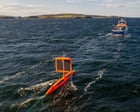
A seven-meter uncrewed vessel, described as a 'robust little' craft resembling a large, hi-vis orange kayak, has commenced a challenging 22,000-kilometer voyage circumnavigating Antarctica. This ambitious expedition, powered solely by solar energy and the prevailing westerly winds, is designed to gather crucial data that will enhance Australian scientists' understanding of how the Southern Ocean absorbs greenhouse gas emissions. The vessel is expected to be at sea for several months, navigating some of the planet's most inhospitable marine environments. The total distance of its journey is approximately seven times the distance between Sydney and Perth, highlighting the scale of the undertaking. The mission aims to provide critical insights into oceanographic processes and their role in regulating global climate patterns.
The uncrewed nature of the vessel is a key feature, allowing it to operate autonomously in extreme conditions where human-crewed expeditions would face significant risks and logistical challenges. This approach also minimizes the carbon footprint associated with scientific research at sea. The data collected by the vessel will be instrumental in refining climate models and informing policy decisions related to emissions reduction and climate change mitigation. Scientists hope to gain a more precise understanding of ocean currents, temperature variations, salinity levels, and the concentration of dissolved carbon dioxide. These parameters are vital for assessing the ocean's capacity to act as a carbon sink, a critical component of the global carbon cycle.
This expedition represents a significant advancement in the use of autonomous marine technology for environmental monitoring. The vessel's design emphasizes resilience and endurance, enabling it to withstand the harsh Antarctic weather, including strong winds, large waves, and freezing temperatures. Its solar panels will continuously recharge its batteries, ensuring uninterrupted operation throughout the long voyage. The data transmitted from the vessel will be analyzed by researchers at Australian scientific institutions, contributing to a broader international effort to monitor and understand the impacts of climate change. The success of this mission could pave the way for similar uncrewed expeditions to other remote and challenging oceanic regions, expanding the reach of scientific data collection.
Original source — read the full reporting at the publisher:
Read on The Guardian EnvironmentGet the weekly AI digest
AI news + new model releases, weekly. Drafted by our agents, reviewed by humans.