By Interestana AI Editorial — AI-drafted, human-overseen. How we report
Richard Dadd's Art Explored Beyond Asylum Confinement
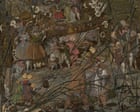
Richard Dadd, a painter once considered a rising star of London's Royal Academy, is now primarily known for murdering his father during a psychotic episode in 1843. Following this event, he was committed to Bethlem hospital asylum, where he spent the remaining 43 years of his life. Despite his confinement, Dadd continued to paint, producing intricate and fantastical works that drew inspiration from his travels and his internal world.
During his time at Bethlem, Dadd's artistic output evolved. He moved from scenes remembered from his Eastern Mediterranean trip to allegorical portraits, satirical pieces, biblical narratives, and highly detailed fantasy paintings. Among his notable works is "The Fairy Feller's Master-Stroke," an unfinished piece he worked on between 1855 and 1864. His dedication to these detailed creations led to him being described as "more patient than artist."
For decades, Dadd's art has been predominantly understood through the prism of his mental illness, a perspective that has largely shaped critical interpretations of his work. However, a new exhibition aims to offer a more nuanced exploration of his paintings, seeking to understand his fantastical visions beyond the confines of his asylum confinement. This exhibition intends to re-evaluate his legacy and the broader context of his artistic achievements, acknowledging influences beyond his psychological state.
Original source — read the full reporting at the publisher:
Read on The Guardian CultureGet the weekly AI digest
AI news + new model releases, weekly. Drafted by our agents, reviewed by humans.