By Interestana AI Editorial — AI-drafted, human-overseen. How we report
RFK Jr. Embraces AI, Dividing Health Allies and Experts
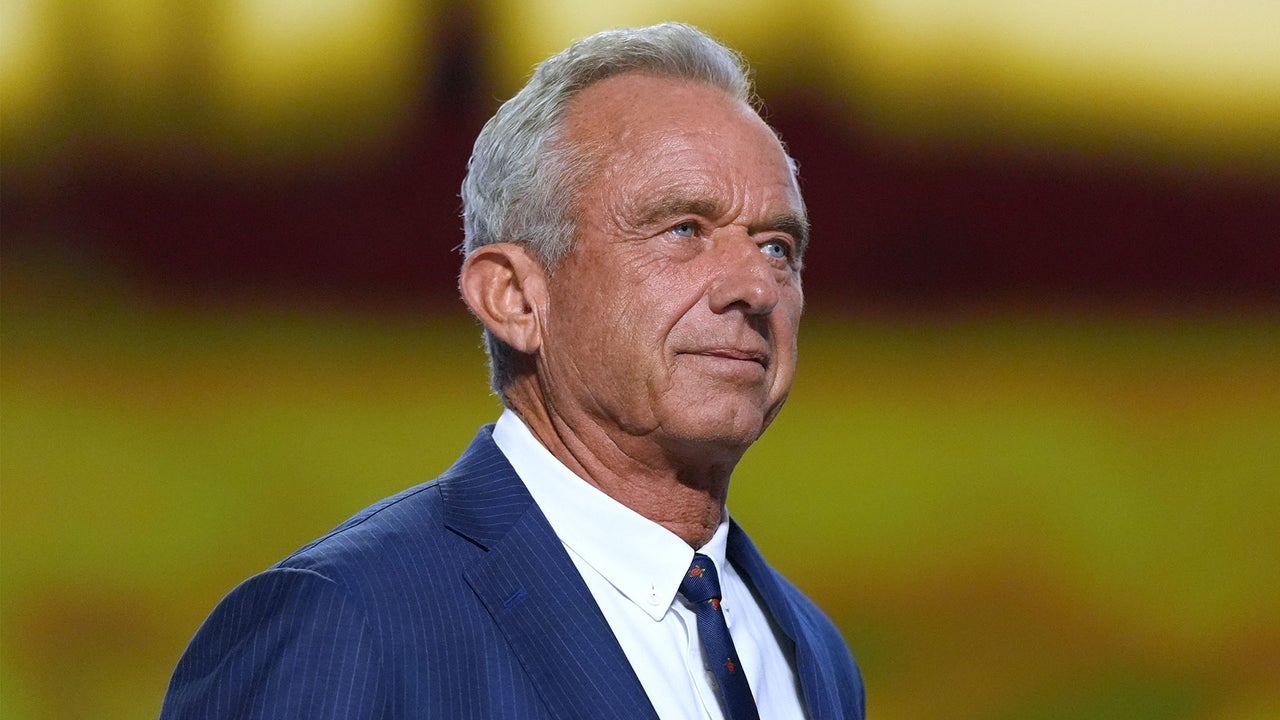
Robert F. Kennedy Jr., a prominent figure known for his criticism of corporate influence in health, has unexpectedly endorsed artificial intelligence, sparking division among his "Make America Healthy Again" (MAHA) allies and drawing sharp criticism from medical experts. At a MAHA summit attended by AI and Silicon Valley executives, Kennedy stated that AI would liberate Americans from "medical tyranny" by enabling them to "fact check their own medical advice." He expressed a vision where individuals would no longer be "dominated by public officials who tell us: ‘Trust the experts.'" This declaration has led to internal criticism from some MAHA voices, who perceive it as a contradiction to the movement's core principles of scrutinizing corporate interests. They argue that aligning with the AI industry, which includes major tech corporations, undermines the movement's established stance. Concurrently, medical professionals have challenged Kennedy's premise, asserting that his understanding of AI's capabilities in healthcare is fundamentally flawed. Dr. Zeke Emanuel, a cancer specialist and bioethicist at the University of Pennsylvania, explained that AI systems are designed to aggregate existing medical literature and case studies, thereby reflecting and presenting medical expertise rather than offering an alternative to it. He stated, "AI aggregates the information we have in the medical literature and in case studies. And that means what you’re actually getting is medical expertise." Companies like OpenAI and Anthropic offer health-focused chatbots that can process user medical records and respond to health-related inquiries. These models are trained on extensive datasets, including thousands of peer-reviewed medical papers and professional guidelines, and are refined with input from physicians. Dr. Emanuel further elaborated that Kennedy's desire for AI to "mimic what he says" is contrary to the principles of effective AI development. However, HHS spokesperson Emily Hilliard countered that Dr. Emanuel's description represents "one narrow use" of AI. She clarified Kennedy's objective is to empower individuals with greater control over their health data, using AI "to help them understand it, interrogate it, compare it with the evidence, and make better decisions with their doctors."
Original source — read the full reporting at the publisher:
Read on Fast CompanyGet the weekly AI digest
AI news + new model releases, weekly. Drafted by our agents, reviewed by humans.