By Interestana AI Editorial — AI-drafted, human-overseen. How we report
Writer Sues US Government Over Warrantless Phone Search at Miami Airport
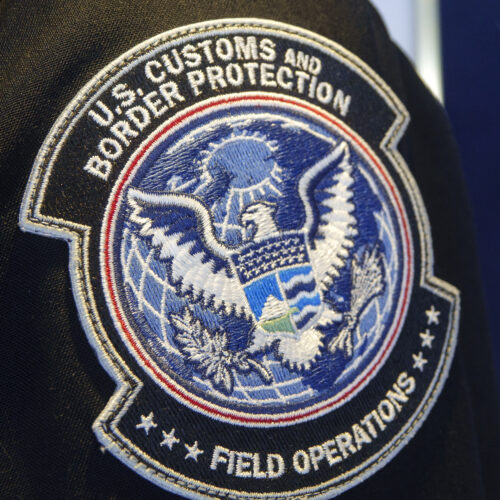
An Argentinian-American writer and immigration advocate, Thomas Kennedy, has initiated legal action against the federal government, seeking the deletion of data he believes was illicitly copied from his mobile phone. The incident occurred earlier this month as Kennedy re-entered the United States through Miami International Airport. According to a seven-page complaint filed by Kennedy, a Customs and Border Protection (CBP) agent not only physically searched his luggage but also interrogated him about his reading materials, specifically his books and magazines. The agent then escalated the situation by demanding Kennedy hand over his phone.
Kennedy's complaint details the coercive tactics employed by the CBP agent, who allegedly threatened him with a significantly prolonged interrogation and the indefinite retention of his device if he refused to comply. Faced with these threats and feeling he had no viable alternative, Kennedy stated he relinquished his phone to the agent. This encounter brings to the forefront a long-standing policy that permits border officials to inspect electronic devices without a warrant. This practice has been a significant point of contention for privacy advocates, who argue that it fundamentally infringes upon the protections guaranteed by the Fourth Amendment of the U.S. Constitution, which safeguards against unreasonable searches and seizures.
The lawsuit filed by Kennedy aims to compel the government to expunge any data that may have been acquired from his phone during this border inspection. The core of this legal challenge lies in questioning the constitutionality of conducting warrantless searches of digital devices. In today's digital age, smartphones are repositories of an immense volume of personal and sensitive information, far exceeding that of traditional physical belongings. These devices can store years of private communications, intricate financial records, confidential health information, and a vast collection of personal photographs, raising profound concerns about the breadth and intrusiveness of such governmental inspections.
The CBP, on the other hand, asserts that these searches are an indispensable component of national security and border protection strategies. They contend that these inspections are crucial for detecting contraband, identifying potential security threats, and effectively enforcing immigration laws. However, privacy organizations and civil liberties groups strongly counter this position, arguing that the sheer magnitude of data contained within modern smartphones necessitates a higher legal standard, specifically requiring probable cause and a warrant. They draw parallels to the protections afforded to other forms of private communication, emphasizing that digital data should not be treated with less scrutiny.
The resolution of Thomas Kennedy's lawsuit is anticipated to have substantial ramifications for digital privacy rights at the U.S. border. It could potentially pave the way for further legal challenges or prompt significant policy revisions concerning the inspection of electronic devices by various government agencies.
Original source — read the full reporting at the publisher:
Read on Ars TechnicaGet the weekly AI digest
AI news + new model releases, weekly. Drafted by our agents, reviewed by humans.