By Interestana AI Editorial — AI-drafted, human-overseen. How we report
Chicxulub Impact Crater May Have Hosted Thriving Hydrothermal Ecosystem for 8 Million Years
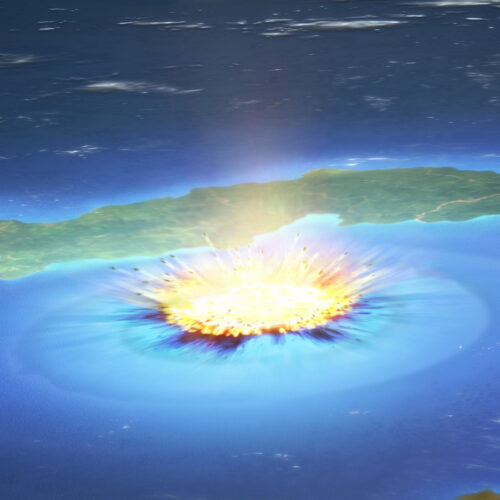
Approximately 66 million years ago, the Chicxulub asteroid, a celestial body estimated to be around 10 kilometers (6 miles) in diameter, violently impacted Earth in what is now the Yucatan Peninsula. This cataclysmic event triggered widespread devastation, including colossal tsunamis and the expulsion of superheated debris, leading to the extinction of non-avian dinosaurs and an estimated 75% of all species on the planet. However, the aftermath of this extinction-level event also fostered conditions conducive to life in an unexpected way. The immense energy of the collision generated sufficient heat at the ocean floor to create a persistent hydrothermal system that is now believed to have lasted for an estimated 8 million years, potentially serving as a significant refuge and hotbed for microbial and possibly other early life forms.
In 2016, an international team of researchers, as part of the International Ocean Discovery Program (IODP), conducted extensive drilling operations within the Chicxulub impact zone. Their objective was to collect pristine rock samples from deep within the crater's structure. The meticulous analysis of these samples has provided crucial insights into the immediate and long-term geological consequences of the asteroid strike. The sheer intensity of the collision caused profound deformation far beneath the Earth's surface, with subterranean effects reaching approximately 35 kilometers (nearly 22 miles) down. This extreme pressure and energy transfer resulted in the melting of an immense volume of rock, creating a significant geological upheaval.
Subsequently, the interaction between this newly formed, molten rock and the surrounding seawater was a critical factor. This process led to the formation of porous rock structures as the hot rock cooled and fractured. As superheated water, driven by the residual heat from the impact, seeped into and circulated through these newly created pores, a robust hydrothermal system was established. This system, characterized by the emergence of hot, mineral-rich water into an otherwise isolated and cold region of the deep ocean, created a unique and potentially life-sustaining environment. The sustained presence of geothermal heat and dissolved minerals within this system offered a distinct ecological niche for microorganisms to thrive, even as the broader global ecosystem struggled to recover from the widespread devastation of the impact. This discovery offers a new perspective on the resilience of life and the complex environmental responses to major geological events, suggesting that even in the wake of mass extinction, localized conditions can emerge that foster biodiversity and survival.
Original source — read the full reporting at the publisher:
Read on Ars TechnicaGet the weekly AI digest
AI news + new model releases, weekly. Drafted by our agents, reviewed by humans.