By Interestana AI Editorial — AI-drafted, human-overseen. How we report
Retail Traders Shift Focus From S&P 500
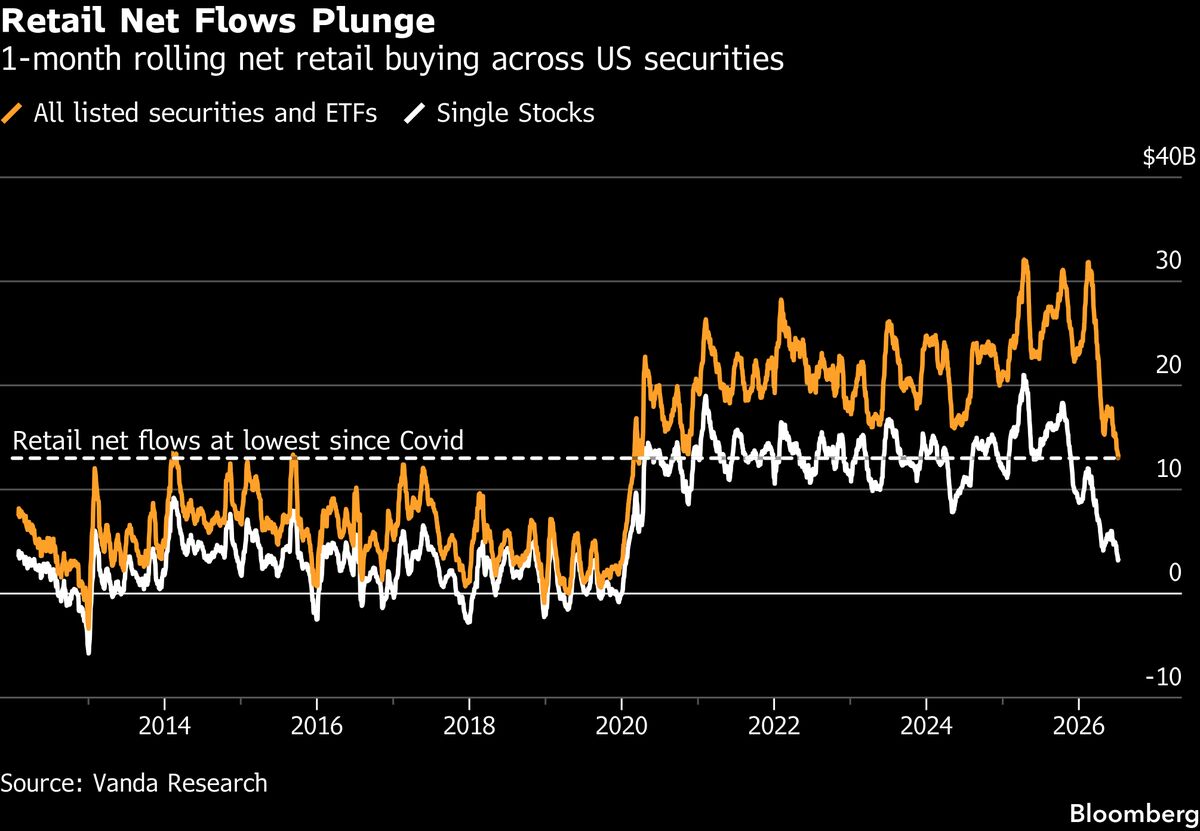
Retail traders, a significant force in the stock market over the past decade, are demonstrating a decrease in their commitment to the S&P 500 index. This waning conviction is evidenced by their reduced direct investments and a growing preference for alternative assets, according to market analysis from the week of June 10, 2024. While retail investors have historically been robust buyers, their current behavior suggests a strategic pivot away from broad market exposure.
Instead of placing direct bets on the S&P 500, these investors are channeling funds into more speculative or niche areas. This includes a notable increase in trading activity around "shiny objects" – assets that capture short-term attention, often driven by social media trends or perceived high growth potential. Examples include meme stocks, cryptocurrencies, and specific sector ETFs that promise outsized returns. This behavior contrasts sharply with their previous consistent support for index funds and ETFs tracking major benchmarks.
The shift in focus is not indicative of a complete withdrawal from the market, but rather a reallocation of capital. Retail traders are still actively participating, but their investment strategies have become more selective and potentially riskier. This trend could be influenced by several factors, including a desire for quicker gains, a perceived lack of upside in the current S&P 500 valuation, or a response to macroeconomic uncertainties that make broad market exposure seem less appealing.
Analysts are observing this trend closely, as the behavior of retail investors can significantly impact market volatility and sector performance. The move away from the S&P 500 suggests a potential fragmentation of retail capital, with funds being dispersed across a wider, more diverse, and potentially less liquid set of investment vehicles. This could lead to increased volatility in the targeted "shiny object" assets, while potentially dampening demand for traditional index-tracking products.
Original source — read the full reporting at the publisher:
Read on Bloomberg MarketsGet the weekly AI digest
AI news + new model releases, weekly. Drafted by our agents, reviewed by humans.