Ethiopian Town Culls Dogs Amid Rabies Outbreak
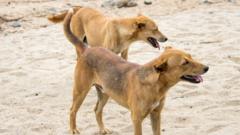
Residents of the Ethiopian town of Metema have been forced to kill hundreds of their dogs following a significant rabies outbreak. Local sources informed the BBC that the culling was carried out by residents themselves, who acted out of fear of potential arrest or fines from authorities if they did not comply. The decision was described as reluctant, highlighting the emotional distress experienced by the community.
The outbreak has led to a widespread fear of rabies transmission, prompting the drastic measure to control the spread of the disease. The exact number of rabies cases among humans or animals has not been officially disclosed, but the scale of the dog culling suggests a serious public health concern. The situation underscores the challenges faced by communities in managing zoonotic diseases, particularly in areas with limited access to veterinary services and public health resources.
Metema, a town located near the Sudanese border, has been grappling with the consequences of the rabies epidemic. The forced participation of residents in the culling process points to a potentially strained relationship between the community and local governance, where compliance is enforced through punitive measures. The BBC's reporting indicates that the culling was a direct response to directives or the threat of penalties, rather than a purely voluntary community health initiative.
This incident brings to light the critical need for robust animal control and public health programs in regions susceptible to rabies. The long-term implications for the town's pet population and the psychological impact on residents who participated in the culling remain significant concerns. Further details regarding the origin of the outbreak and ongoing efforts to contain it are awaited.
Original source — read the full reporting at the publisher:
Read on BBC World News