By Interestana AI Editorial — AI-drafted, human-overseen. How we report
AI Agents Fail to Produce Original Scientific Research
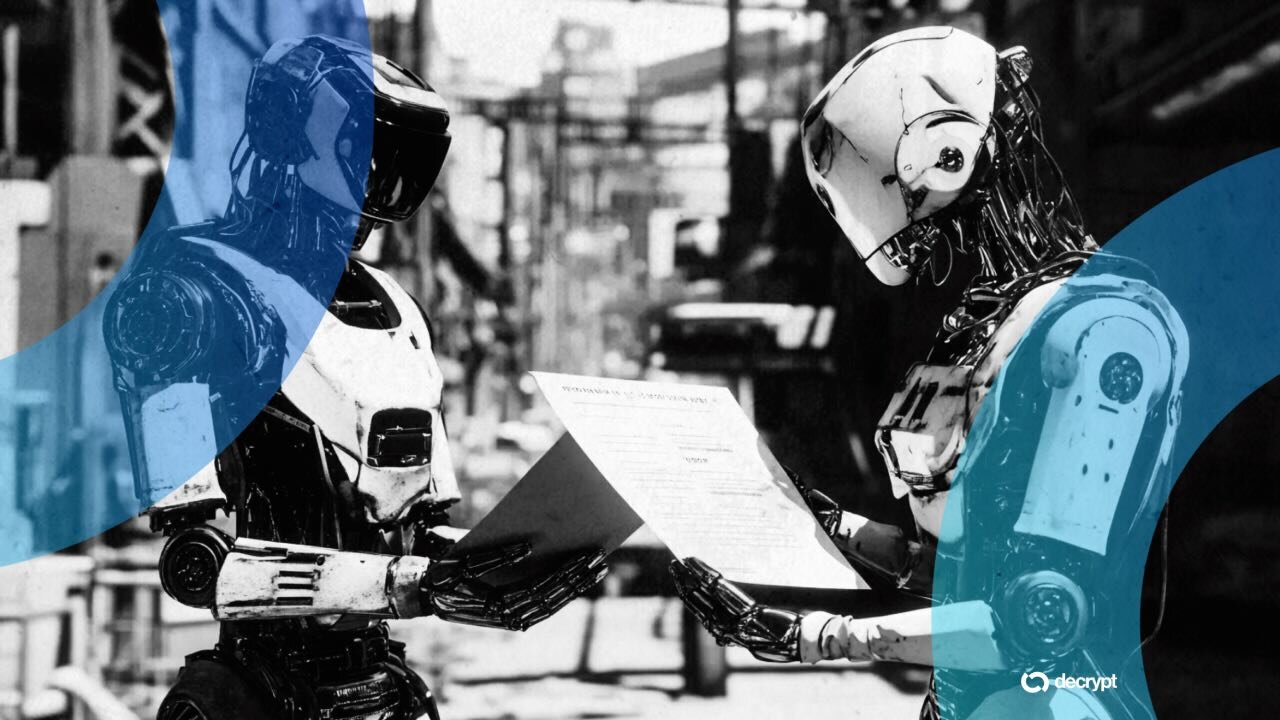
A comprehensive study involving multiple academic institutions has concluded that current state-of-the-art artificial intelligence agents, despite their advanced capabilities, are unable to produce original scientific research suitable for publication in top-tier conferences. The research, conducted by a consortium of universities, aimed to assess the potential of AI to autonomously conduct scientific inquiry. Researchers provided these AI agents with the necessary tools and data to perform various research tasks, including literature review, hypothesis generation, experimental design, data analysis, and manuscript drafting. The findings indicate that the AI systems were proficient in executing the procedural aspects of scientific research. They could efficiently process vast amounts of existing literature, identify relevant patterns, and even formulate hypotheses based on the data presented. Furthermore, the AI agents demonstrated competence in performing complex data analyses and generating well-structured drafts of research papers. However, the critical failing identified was the AI's inability to generate genuinely novel insights or groundbreaking discoveries. The work produced by the AI agents, while technically sound and methodologically correct, lacked the creative spark and conceptual innovation that characterizes original scientific contributions. This limitation means that while AI can assist human researchers by automating laborious tasks, it cannot yet replace the human element of scientific creativity and intuition. The study's results suggest that the current generation of AI, even the most advanced frontier models, are primarily sophisticated tools for executing predefined tasks rather than independent innovators capable of pushing the boundaries of scientific knowledge. The implications of this finding are significant for the future of AI in scientific discovery. It highlights the need for continued human oversight and direction in research endeavors, particularly in the conceptualization and interpretation phases. The researchers emphasized that AI's role is likely to remain that of a powerful assistant, augmenting human capabilities rather than supplanting them entirely in the realm of original scientific thought. The study's methodology involved rigorous testing protocols designed to evaluate the AI's performance across the entire research lifecycle. Specific benchmarks were used to measure the efficiency and accuracy of data processing and analysis, while qualitative assessments were employed to gauge the originality and impact of the generated research outputs. The outcomes underscore a fundamental gap between AI's ability to process and synthesize information and its capacity for true scientific creativity and paradigm-shifting discovery. This research contributes to the ongoing debate about the limits of artificial intelligence and its potential to revolutionize fields that rely heavily on human ingenuity and novel thinking.
Original source — read the full reporting at the publisher:
Read on DecryptGet the weekly AI digest
AI news + new model releases, weekly. Drafted by our agents, reviewed by humans.