By Interestana AI Editorial — AI-drafted, human-overseen. How we report
122 Companies Responsible for Half of Western US Water Loss
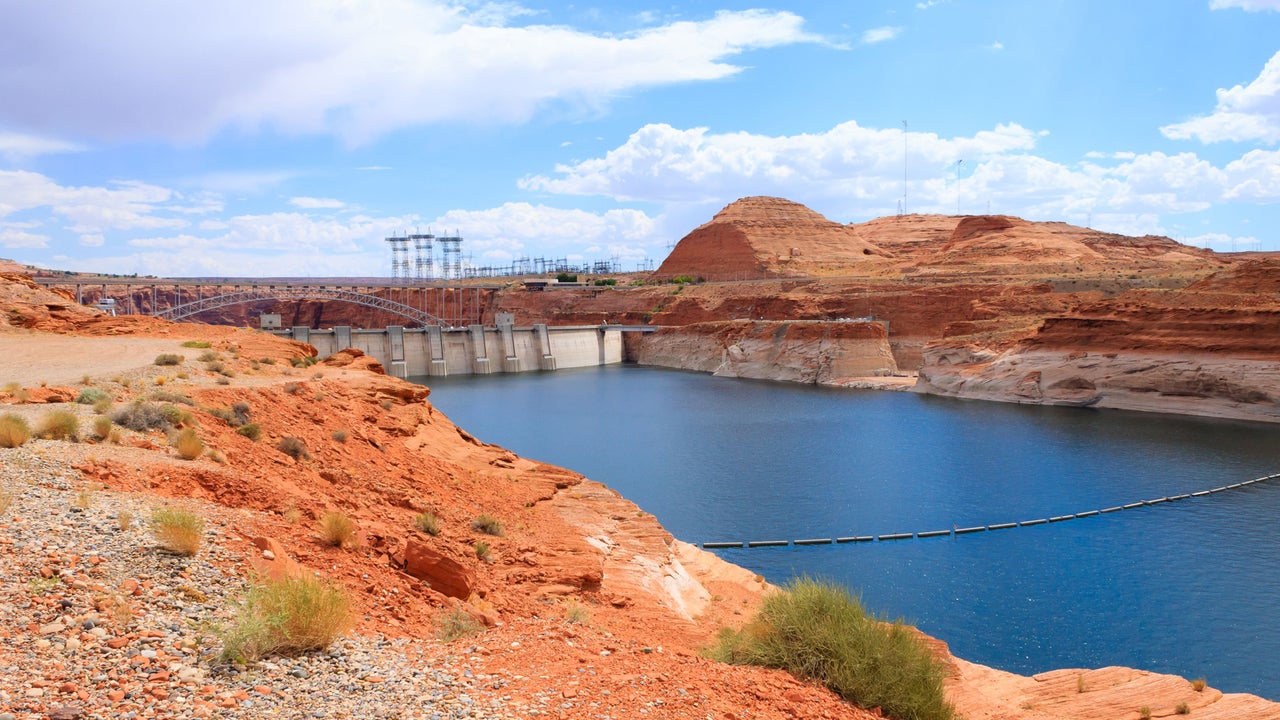
A recent study published on August 25 in the Communications Earth & Environment journal has identified 122 "carbon majors" as being responsible for approximately half of the water lost to climate change in the American West. These companies, which include major oil and cement producers such as BP, Chevron, ExxonMobil, and Shell, have played a significant role in altering the region's water cycle. The research, based on observational data from 2014 to 2024, found that climate change led to declines in snowpack and streamflows across the region. The study attributes half of these water losses directly to the emissions from these 122 companies. This finding is consistent with the broader impact of carbon majors, which have accounted for nearly 70% of industrial carbon dioxide emissions since 1985, with the majority of these emissions occurring after the 1950s. The volume of water drained within the 2014-2024 decade is equivalent to the highest capacity of Lake Mead, the United States' largest reservoir, amounting to approximately 9 trillion gallons of water lost. The study delves into the complexities of the western United States, a region characterized by its arid climate and a water-intensive agricultural industry that contributes significantly to the area's economy. Water scarcity has been a persistent challenge in this region for decades, exacerbated by the high demand from its multibillion-dollar agricultural sector, creating an inherently unsustainable water system. As climate change intensifies, reducing the available water supply, it places even greater pressure on this already strained system. Despite the decades of emissions from these 122 companies contributing to the exacerbation of the water crisis, the study notes that local residents are ultimately expected to face the most severe repercussions. The changes in water cycle dynamics manifest across communities and ecosystems, and these impacts are further compounded by escalating climate events such as droughts and poor air quality, as indicated in the study's findings. The research highlights a critical link between industrial carbon emissions and the tangible consequences of water scarcity in a vital region of the United States, underscoring the disproportionate impact of a concentrated group of corporations on a widespread environmental and societal issue.
Original source — read the full reporting at the publisher:
Read on Fast CompanyGet the weekly AI digest
AI news + new model releases, weekly. Drafted by our agents, reviewed by humans.