By Interestana AI Editorial — AI-drafted, human-overseen. How we report
Gary, Indiana Blackout Highlights Energy Independence Concerns
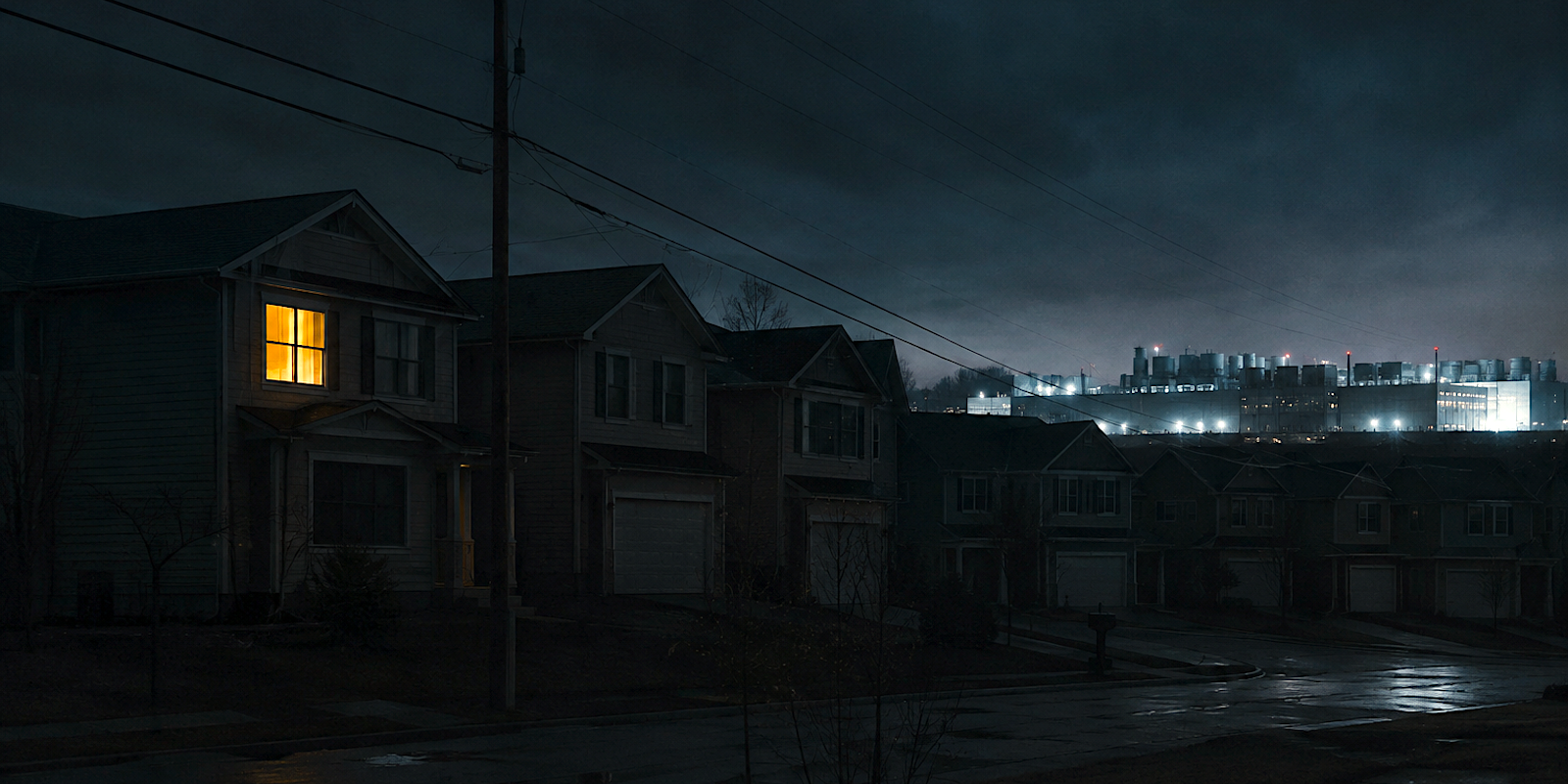
Tens of thousands of residents in Gary, Indiana, experienced a prolonged power outage lasting nearly two weeks following a summer derecho, highlighting the vulnerability of communities reliant on traditional power grids. Many affected individuals took to social media to document their experiences during the extended blackout, expressing frustration with the utility provider's explanations. In stark contrast, the data centers powering the community's digital presence continued to operate without interruption, built on the fundamental assumption of continuous power availability. This disparity serves as a potent symbol of the diverging realities of energy reliability for essential digital infrastructure versus residential consumers.
The derecho, a widespread and destructive weather event characterized by a line of thunderstorms producing damaging winds, struck the region, leading to widespread power disruptions. While utility companies often face challenges in restoring power after such severe weather, the duration of the outage in Gary raised significant concerns among residents about the adequacy of the existing infrastructure and emergency response protocols. The prolonged lack of electricity impacted daily life, affecting heating, cooling, communication, and access to essential services for a substantial portion of the city's population.
The resilience of data centers, which are critical for modern digital services and often employ robust backup power systems, including generators and uninterruptible power supplies (UPS), stands in sharp relief to the residential outages. These facilities are designed with redundancy and fail-safe mechanisms to ensure continuous operation, a necessity for businesses and online services that cannot afford downtime. The contrast between the humming data centers and the darkened homes in Gary underscores a growing societal trend: the increasing personalization of energy independence. As individuals and businesses grapple with the realities of grid instability, the demand for localized and self-sufficient energy solutions is likely to rise.
This event in Gary, Indiana, serves as a microcosm of broader national discussions surrounding energy infrastructure, grid modernization, and the implications of climate change on weather patterns. The increasing frequency and intensity of extreme weather events necessitate a re-evaluation of how power is generated, distributed, and maintained. For residents, the experience underscores the personal stakes involved in energy independence, prompting consideration of alternative energy sources and storage solutions to mitigate the impact of future grid failures. The incident also brings attention to the critical role of data centers in the modern economy and the infrastructure investments required to ensure their uninterrupted operation, even as residential areas face prolonged disruptions.
Original source — read the full reporting at the publisher:
Read on ElectrekGet the weekly AI digest
AI news + new model releases, weekly. Drafted by our agents, reviewed by humans.