By Interestana AI Editorial — AI-drafted, human-overseen. How we report
Researchers hope powerful new microscope will reveal ‘root cause’ of incurable bowel disease
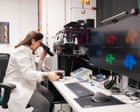
Researchers are deploying a novel, high-resolution microscope, christened 'Curie,' with the ambitious goal of uncovering the fundamental 'root cause' of incurable bowel diseases. This advanced instrument represents a significant technological leap, operating at ten times the resolution of conventional microscopy. This enhanced capability is expected to spur discoveries that could lead to entirely new treatment strategies for debilitating and chronic conditions affecting the digestive tract. The urgency for such advancements is underscored by a growing global prevalence of young individuals diagnosed with these chronic bowel ailments. In the United Kingdom, the British Society of Gastroenterology, a leading professional body for gastroenterologists in the UK, reports that more than half a million people are currently living with inflammatory bowel disease (IBD). IBD is an umbrella term encompassing two primary forms: Crohn's disease and ulcerative colitis. Crohn's disease can affect any part of the gastrointestinal tract, from the mouth to the anus, while ulcerative colitis primarily affects the colon and rectum. Both are characterized by chronic inflammation of the digestive tract, leading to a range of severe symptoms including pain, fatigue, and malnutrition. The development and deployment of the 'Curie' microscope signify a substantial investment in understanding the complex biological processes underlying these diseases at an unprecedented level of detail. By visualizing cellular and molecular structures with superior clarity, scientists hope to identify the specific triggers or malfunctions that initiate and perpetuate the inflammatory responses characteristic of IBD. This detailed insight is crucial because current treatments often focus on managing symptoms and reducing inflammation rather than addressing the root cause, which remains largely unknown and a significant barrier to effective long-term management. The 'Curie' microscope's enhanced capabilities are expected to provide a clearer picture of the intricate interactions within the gut environment, including the roles of the immune system, the gut microbiota (the community of microorganisms living in the digestive tract), and genetic predispositions. Researchers anticipate that this deeper understanding will pave the way for the development of targeted therapies that can halt or even reverse disease progression, offering much-needed hope to the millions affected worldwide. The potential impact of this research extends beyond IBD, as the insights gained could inform research into other inflammatory and autoimmune conditions, highlighting the broad applicability of advanced imaging techniques in medical science. This project represents a critical step forward in the application of cutting-edge technology to address persistent challenges in human health, aiming to translate microscopic discoveries into macroscopic improvements in patient care and quality of life.
Original source — read the full reporting at the publisher:
Read on The Guardian EducationGet the weekly AI digest
AI news + new model releases, weekly. Drafted by our agents, reviewed by humans.