By Interestana AI Editorial — AI-drafted, human-overseen. How we report
Florida Congressman Introduces Bill for Flock Camera Warrants
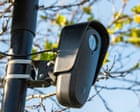
Republican Congressman Greg Steube of Florida introduced the Facilitating Liberty and Accountability for Flock Observations (Flafo) Act on Friday, September 25, 2026. This proposed legislation aims to restrict the use of networked license plate readers, such as those manufactured by Flock Safety, by federal agencies. The core provision of the Flafo Act mandates that federal agencies must obtain a judicial warrant before they can purchase, operate, access, or share data collected by these surveillance systems. This move comes amid growing national concerns and backlash regarding the widespread deployment and data-sharing practices of surveillance technology companies like Flock Safety. The bill specifically targets the potential for warrantless surveillance and data aggregation, seeking to bolster individual privacy rights against government overreach.
Beyond federal agencies, the Flafo Act also seeks to influence local law enforcement practices. The bill proposes making grants from the U.S. Department of Justice to local police departments conditional upon their adoption of similar warrant requirements for accessing data from networked license plate readers. This mechanism is designed to encourage a broader shift towards more stringent privacy protections at the state and local levels, extending the warrant requirement beyond federal jurisdiction. The introduction of the Flafo Act highlights a significant legislative effort to address the privacy implications of increasingly sophisticated surveillance technologies that are becoming more prevalent in public spaces across the United States.
Flock Safety is a company that provides automated license plate readers (ALPRs) and other surveillance technology to law enforcement agencies and private communities. Their systems capture images of license plates and store this data, which can then be queried by authorized users. Critics of ALPR technology, including privacy advocates and some lawmakers, have raised concerns about the potential for mass surveillance, data breaches, and the creation of detailed movement histories for individuals without their knowledge or consent. The Flafo Act directly confronts these concerns by proposing a legal framework that requires judicial oversight for accessing such data, thereby aiming to prevent potential abuses and ensure that surveillance is targeted and justified.
The legislative action by Congressman Steube reflects a broader debate occurring across the country concerning the balance between public safety, law enforcement needs, and individual privacy in the digital age. As surveillance technologies become more advanced and accessible, lawmakers are increasingly being called upon to establish clear legal guidelines and safeguards to govern their use. The Flafo Act represents one such attempt to codify protections against warrantless access to data generated by networked license plate readers, potentially setting a precedent for future legislation addressing other forms of digital surveillance.
Original source — read the full reporting at the publisher:
Read on The Guardian WorldGet the weekly AI digest
AI news + new model releases, weekly. Drafted by our agents, reviewed by humans.