By Interestana AI Editorial — AI-drafted, human-overseen. How we report
Republican Bill Seeks to Limit International Student Athletes
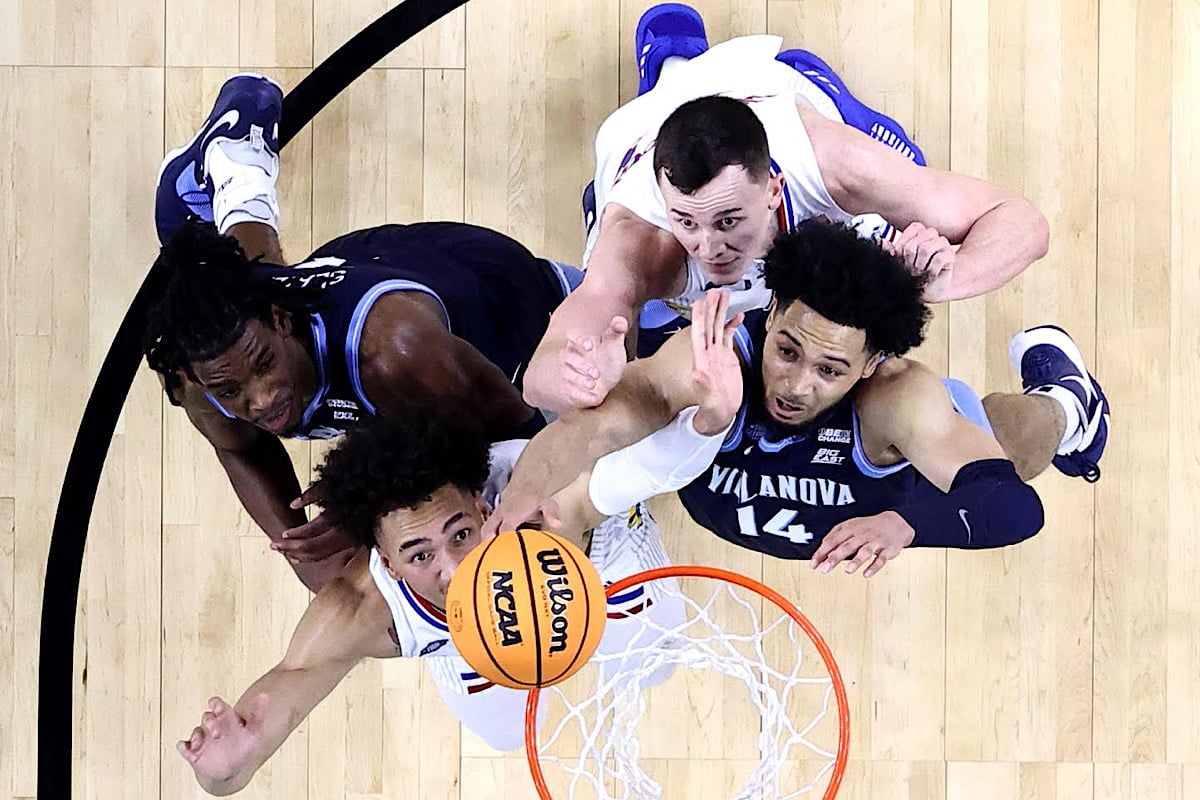
A Republican-backed bill introduced in the U.S. House of Representatives aims to place a cap on the number of international student athletes permitted to participate in collegiate sports under the National Collegiate Athletic Association (NCAA). The proposed legislation, spearheaded by Representative Jim Banks (R-Indiana), seeks to address concerns that an increasing influx of foreign athletes may be displacing American-born talent in NCAA Division I sports. The bill's specific numerical limit for international student athletes has not yet been detailed, but its introduction signals a potential shift in how collegiate athletic programs recruit and manage their rosters.
Proponents of the bill argue that it is necessary to ensure fair opportunities for American students pursuing athletic scholarships. They contend that some international athletes, particularly in sports like basketball and soccer, may be taking spots that could otherwise go to U.S. citizens. The NCAA currently has no specific cap on the number of international student athletes a program can recruit, though individual conferences and institutions may have their own policies. The proposed legislation would introduce a federal mandate, potentially impacting hundreds of universities and thousands of student athletes across the country.
Critics of the bill, including some athletic directors and international student advocacy groups, express concerns about the potential negative consequences. They argue that limiting international student athletes could diminish the diversity and competitive landscape of collegiate sports, which often benefit from the varied skills and experiences brought by athletes from around the globe. Furthermore, they point out that many international student athletes contribute significantly to their teams and universities, both on and off the field, and that such a cap could be seen as discriminatory. The bill's passage would require navigating the complex landscape of collegiate athletics governance and could face opposition from various stakeholders within the sports and education sectors.
The legislative effort comes at a time when collegiate sports are already undergoing significant changes, including debates around name, image, and likeness (NIL) rights and the transfer portal. The introduction of this bill adds another layer of complexity to the ongoing discussions about the future of college athletics and the recruitment of student athletes. The bill's next steps involve committee review and potential amendments before it could be brought to a vote on the House floor. Its ultimate impact on the NCAA and its member institutions remains uncertain, pending further legislative action and potential debate.
Original source — read the full reporting at the publisher:
Read on Inside Higher EdGet the weekly AI digest
AI news + new model releases, weekly. Drafted by our agents, reviewed by humans.