By Interestana AI Editorial — AI-drafted, human-overseen. How we report
US Seeks $61M in USDT Tied to Iranian Oil Sales
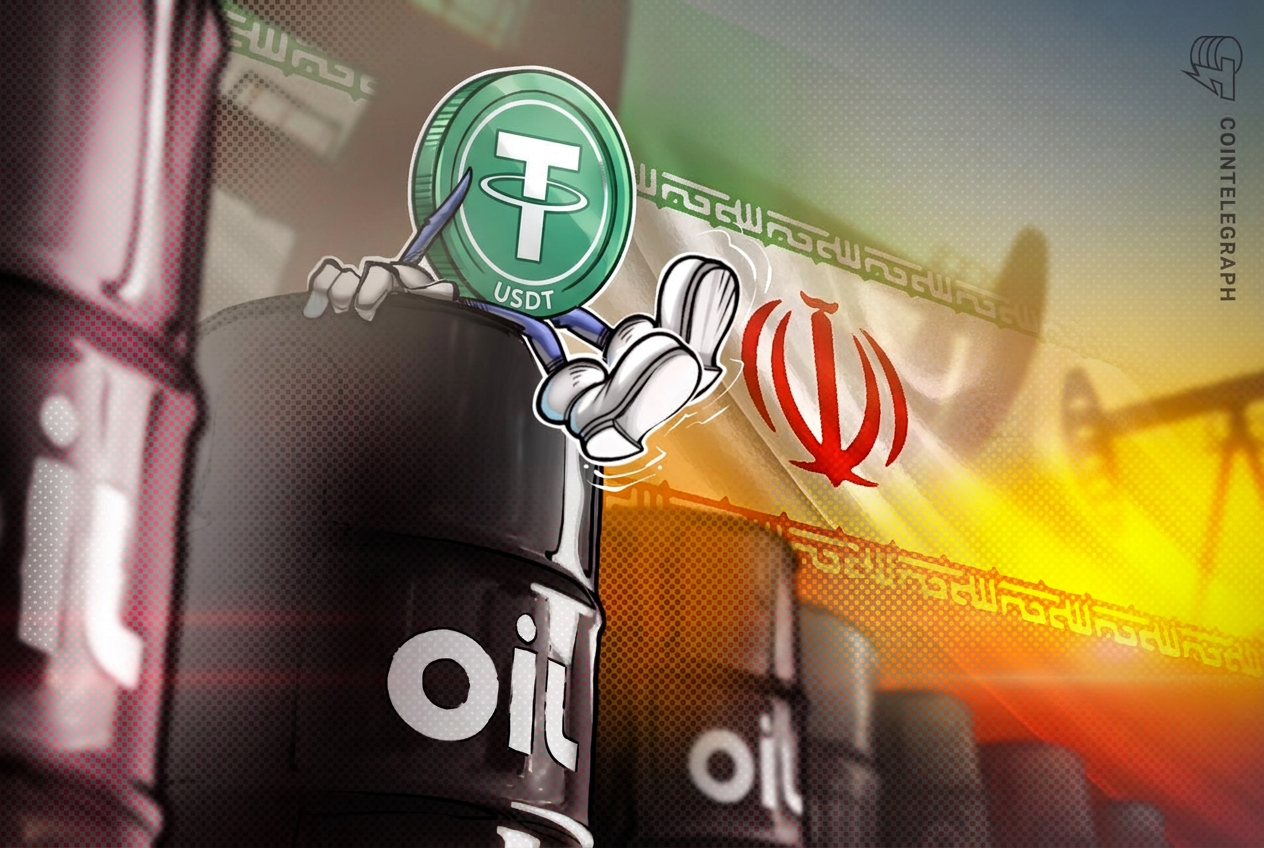
The United States Department of Justice announced on May 22, 2024, its intent to seize approximately $61.19 million in Tether (USDT) stablecoins. Prosecutors allege these funds are connected to the illicit sale of Iranian oil on the black market. The funds were frozen by Tether, the issuer of the USDT stablecoin, across 10 specific Tron network addresses in 2025. This action represents a significant effort by U.S. authorities to disrupt financial flows supporting sanctioned entities and illicit trade activities.
The Department of Justice's civil forfeiture complaint, filed in the U.S. District Court for the Southern District of New York, details how these USDT holdings were allegedly used to facilitate transactions related to Iranian oil sales. The complaint outlines a complex network of financial activities designed to obscure the origin and destination of these funds, circumventing international sanctions imposed on Iran. The specific mechanism by which the oil was sold and the USDT obtained is part of the ongoing investigation, but the core allegation centers on the use of cryptocurrency to launder proceeds from sanctioned activities.
Tether's cooperation in freezing the identified addresses was a crucial step in enabling the U.S. government's pursuit of these assets. The company, which issues the world's largest stablecoin by market capitalization, has previously stated its commitment to working with law enforcement agencies to combat illicit finance. The freezing of these funds demonstrates the increasing scrutiny and regulatory attention being paid to the use of stablecoins and other digital assets in facilitating activities that violate sanctions and international financial regulations. The Tron network, a decentralized blockchain platform, was the underlying technology for these alleged illicit transactions.
This case highlights the challenges and opportunities presented by digital assets in the global fight against financial crime. While cryptocurrencies can offer anonymity and speed, they also leave a traceable digital footprint on public blockchains, which can be leveraged by law enforcement. The U.S. government's action signals a continued focus on tracing and seizing digital assets used in connection with sanctions evasion and other illicit financial schemes. The outcome of this forfeiture action could have implications for how digital assets are regulated and monitored in the context of international sanctions enforcement.
Original source — read the full reporting at the publisher:
Read on CoinTelegraphGet the weekly AI digest
AI news + new model releases, weekly. Drafted by our agents, reviewed by humans.