By Interestana AI Editorial — AI-drafted, human-overseen. How we report
Red Lobster Redesigns Dining Rooms for 'Newstalgia'
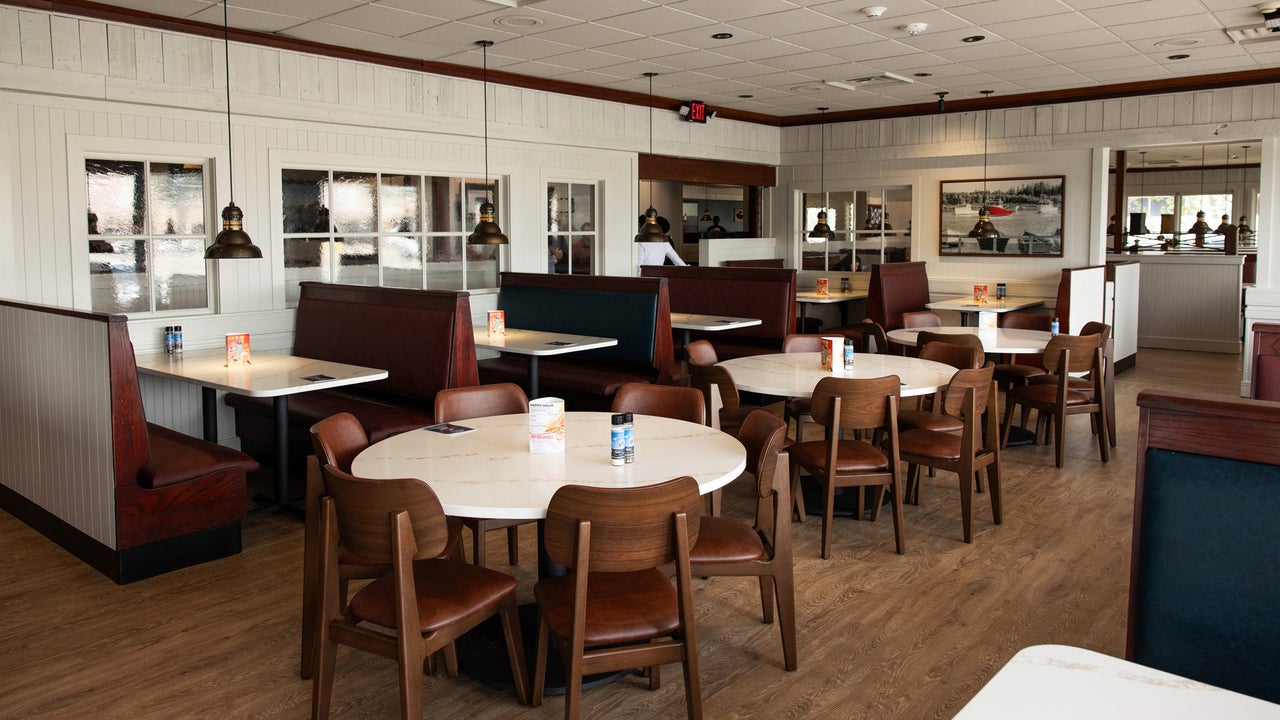
Red Lobster is piloting a new store concept designed to evoke "newstalgia," a strategy that aims to preserve familiar brand elements while presenting them in a fresh, contemporary manner. Ashley Popich, managing director at Zebra, the commercial interior design and architecture firm collaborating with Red Lobster, stated that the design decisions were guided by this "newstalgia" principle. This initiative is a component of a larger recovery effort for the seafood chain, which recently underwent bankruptcy proceedings. The redesign seeks to enhance the chain's appeal to younger demographics while simultaneously retaining its established customer base.
Historically, Red Lobster featured distinct elements such as fish-shaped tables, which were phased out in the mid-2000s. The interiors then shifted towards a more standard, neutral suburban sit-down restaurant aesthetic, often incorporating nautical artwork and decor. The aim was to create a sophisticated ambiance inspired by the Maine coast, utilizing wood and neutral color palettes to achieve a more upscale experience. Popich explained to Fast Company that "newstalgia" involves honoring the most recognizable and meaningful aspects of a brand and translating them into a format that feels current, relevant, and deliberate. For Red Lobster, this translates not to a single iconic look, but rather an elevated, yet generally recognizable, sit-down dining style.
The refreshed restaurant design has been initially implemented in three locations: Kissimmee, Florida; Lancaster, Pennsylvania; and Clarksville, Tennessee. Further rollouts are anticipated. The updated interiors incorporate specific nautical-inspired features such as a lobster tank, porthole-style windows, and rope dividers. These elements are balanced with a lighter color scheme, refined materials, and cleaner architectural lines. The design includes wood flooring and chairs, complemented by white wood-paneled walls. This aesthetic is characterized as "contemporary coastal modern," aiming for the feel of a smart, contemporary beach house rather than a kitschy theme. The objective is to impart a nautical ambiance without the space feeling overly themed. The design strategy moves away from simply layering more nautical decor, opting instead for abstracted and refined elements to achieve the desired atmosphere.
Original source — read the full reporting at the publisher:
Read on Fast CompanyGet the weekly AI digest
AI news + new model releases, weekly. Drafted by our agents, reviewed by humans.