By Interestana AI Editorial — AI-drafted, human-overseen. How we report
Rare Northern Bald Ibis Complete Human-Guided Migration to Spain
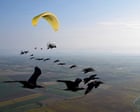
Fifteen northern bald ibis have successfully completed a human-led migration to northern Spain, a significant milestone in the ambitious project to re-establish a self-sustaining migratory population of this critically endangered species in Europe. These young birds, hatched and raised by conservationists, were guided along their migratory route by human "migration guides" piloting small, remote-controlled micro aircraft. These aircraft, designed to mimic the visual cues of adult birds, provided a familiar and reassuring presence, helping the inexperienced ibis navigate the complex and often perilous journey to their wintering grounds in Spain.
The northern bald ibis (Geronticus eremita) is a striking and charismatic bird that was once widespread across Europe but had become extinct on the continent for approximately 300 years. Their disappearance was primarily attributed to habitat destruction and overhunting. Conservation efforts to bring them back began decades ago, with projects like the Waldrappteam in Austria playing a pivotal role. These initiatives have focused on captive breeding, hand-rearing chicks, and imprinting them on human caretakers to encourage natural migratory instincts. The use of micro aircraft represents a sophisticated advancement in these reintroduction strategies, addressing the challenges of teaching young birds complex migratory routes and potentially reducing mortality rates associated with natural migration, which can be high for inexperienced individuals.
This latest successful migration to northern Spain is a testament to the dedication and innovation of conservation organizations involved. The birds are now part of a growing flock that serves as a crucial foundation for a viable wild population. The ultimate objective of this long-term project is for these reintroduced ibis to develop natural migratory patterns, successfully breed, and establish a self-sufficient presence in Europe, ensuring the species' continued existence on the continent for future generations. The success of this endeavor not only aims to restore a lost species but also enhances the biodiversity of European ecosystems, showcasing the critical role of advanced technological solutions in modern wildlife conservation.
Original source — read the full reporting at the publisher:
Read on The Guardian EnvironmentGet the weekly AI digest
AI news + new model releases, weekly. Drafted by our agents, reviewed by humans.