By Interestana AI Editorial — AI-drafted, human-overseen. How we report
Women Restore Niger Delta Mangroves After Oil Pollution
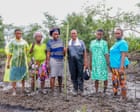
Martha Agbani is leading a significant environmental restoration effort in Ogoniland, located in Nigeria's Niger Delta, a region profoundly impacted by decades of crude oil pollution. Growing up amidst the pervasive smell of oil and witnessing the degradation of natural landscapes, Agbani observed firsthand how oil spills decimated mangrove forests and disrupted the livelihoods of local communities. Now, she is actively engaged in training women from these affected communities to replant mangrove saplings, a process described as "one fragile green shoot at a time." This initiative aims not only to reverse environmental damage but also to restore the economic and social fabric of the region.
The Niger Delta has been a focal point of environmental concern due to extensive oil exploration and production activities, primarily by multinational corporations, which have resulted in numerous oil spills. These spills have contaminated soil and water, leading to the destruction of vital ecosystems, including the extensive mangrove forests that are crucial for coastal protection, biodiversity, and the sustenance of local fishing and farming communities. The ecological damage has had severe socio-economic consequences, exacerbating poverty and displacement.
Agbani's work represents a grassroots movement to reclaim ownership of lost lands and livelihoods. By empowering local women with the skills and knowledge to undertake mangrove restoration, the project fosters a sense of agency and community involvement in environmental stewardship. The replanting of mangroves is a long-term strategy that requires sustained effort and commitment, as these trees take time to mature and re-establish a healthy forest ecosystem. The success of this initiative is critical for the ecological recovery of the Niger Delta and the sustainable development of its communities, offering a model for environmental restoration in other oil-affected regions.
The restoration of mangrove forests is vital for several ecological reasons. Mangroves act as natural barriers against coastal erosion and storm surges, protecting communities from the impacts of climate change and extreme weather events. They also serve as critical nurseries for fish and other marine life, supporting the local fishing industry. Furthermore, mangrove ecosystems are highly effective at sequestering carbon, playing a role in mitigating climate change. The initiative spearheaded by Agbani and the women of Ogoniland is therefore a multi-faceted endeavor addressing environmental degradation, economic hardship, and climate resilience.
Original source — read the full reporting at the publisher:
Read on The Guardian EnvironmentGet the weekly AI digest
AI news + new model releases, weekly. Drafted by our agents, reviewed by humans.