By Interestana AI Editorial — AI-drafted, human-overseen. How we report
RANSHOU Reopens Tokyo’s Closed National Theatre for 'FUTURE HISTORY' Exhibition
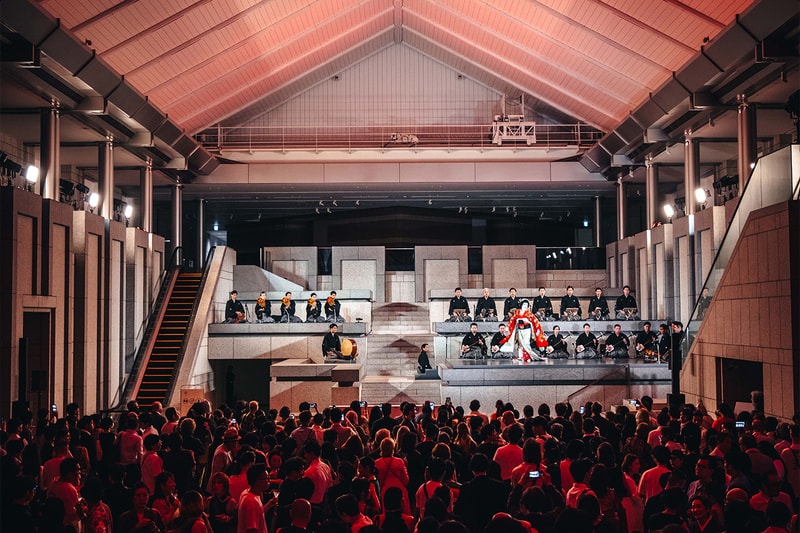
Independent art organization RANSHOU is set to present a significant exhibition titled 'FUTURE HISTORY: Lineage and Form of Onnagata,' scheduled to take place from September 12 to September 13, 2026. This unique showcase will be hosted at Tokyo's National Theatre, with a particular focus on utilizing its Grand Theatre stage. The choice of venue is highly symbolic; the National Theatre, a postwar architectural landmark completed in 1966 and designed in the traditional azekura-zukuri storehouse style, has been officially closed for extensive reconstruction. This closure transforms its darkened stage into a deeply evocative setting, perfectly suited for an exhibition that explores profound themes of memory, history, and the physical manifestation of artistic form within the rich tapestry of Japanese performing arts. For this exceptionally brief, two-day presentation, the National Theatre will be specially reopened, affording the public the rare and poignant opportunity to physically traverse the very stage where generations of legendary Kabuki actors, renowned for their mastery, have performed.
The exhibition is meticulously curated by Ranshou Fujima, who also serves as the director of RANSHOU and is a distinguished dancer and choreographer. A cornerstone of the exhibition's programming will be a central performance of Kyōkanoko Musume Dōjōji, widely known as 'The Maiden at Dojoji Temple.' This particular piece holds immense historical and artistic weight, recognized as the oldest surviving Kabuki dance drama rooted in Noh traditions. It is a highly revered repertoire piece that exemplifies the zenith of onnagata, the specialized art form within Kabuki theatre where male actors embody female characters with profound skill and nuance.
Ranshou Fujima's personal artistic trajectory profoundly shapes the exhibition's perspective. Her extensive training in classical Kabuki techniques was undertaken as a woman, deliberately situated outside the conventional, hereditary Kabuki lineages that have historically dictated access and transmission of the art form. This unconventional background has cultivated in Fujima a view of classical works not as static historical artifacts, but as vibrant, living traditions that continue to evolve. Her multidisciplinary artistic practice, which encompasses dance, choreography, film, and in-depth archival research, serves to anchor the 'FUTURE HISTORY' exhibition, seamlessly integrating embodied tradition with contemporary critical inquiry. Through her innovative approach, Fujima endeavors to address and recontextualize the historical marginalization and erasure of women within traditional performance narratives, seeking to illuminate these historical omissions and offer fresh, insightful interpretations of these enduring classic forms. The exhibition will feature an impressive collection of over 100 historical works, including authentic costumes, and will also highlight contemporary collaborations conceived and executed by Ranshou Fujima, thereby forging a compelling dialogue between historical context and modern artistic expression.
Original source — read the full reporting at the publisher:
Read on HypebeastGet the weekly AI digest
AI news + new model releases, weekly. Drafted by our agents, reviewed by humans.