By Interestana AI Editorial — AI-drafted, human-overseen. How we report
Nepal and Tibet Flood Aid Efforts Amid Lake Burst Warning
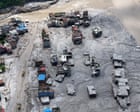
International aid efforts are underway for flood-stricken regions of Nepal and Tibet as authorities issue urgent warnings about a rapidly rising glacial lake that formed at the site of the catastrophic flash floods. The torrents, which struck on Wednesday, have so far claimed the lives of at least 359 people across both regions, with more than 1,300 individuals reported missing. The devastating floods thundered down valleys, obliterating entire villages and sweeping away homes and critical infrastructure. The formation of the glacial lake, a direct consequence of the flood event, presents an immediate and significant threat of bursting, potentially unleashing further destruction upon already devastated communities. The scale of the disaster has prompted a global response, with international organizations and governments coordinating to deliver essential supplies and support to the affected populations. The logistical challenges of reaching remote and damaged areas are considerable, compounded by the ongoing risk posed by the unstable glacial lake. The exact cause of the flash floods is under investigation, but initial reports suggest a potential glacial collapse or outburst event in the Himalayas, a region increasingly vulnerable to climate change impacts. The rapid melting of glaciers due to rising global temperatures has led to the formation of numerous glacial lakes, many of which are considered potentially dangerous due to their unstable moraine dams. The disaster in Nepal and Tibet underscores the growing threat posed by these glacial lake outburst floods (GLOFs) in high-altitude regions worldwide. Aid agencies are focusing on providing immediate relief, including food, water, shelter, and medical assistance, to survivors. Search and rescue operations are ongoing, though hampered by difficult terrain and the sheer scale of the destruction. The long-term recovery efforts will require substantial international cooperation and investment to rebuild infrastructure, restore livelihoods, and implement measures to mitigate future GLOF risks. The situation remains critical as the rising water levels in the newly formed lake continue to pose an imminent threat to downstream communities. The international community is mobilizing resources to address both the immediate humanitarian crisis and the underlying environmental risks exacerbated by climate change. The disaster serves as a stark reminder of the interconnectedness of environmental stability and human safety in vulnerable mountain ecosystems. The focus remains on saving lives, providing relief, and assessing the full extent of the damage while managing the ongoing threat from the unstable glacial lake.
Original source — read the full reporting at the publisher:
Read on The Guardian WorldGet the weekly AI digest
AI news + new model releases, weekly. Drafted by our agents, reviewed by humans.