By Interestana AI Editorial — AI-drafted, human-overseen. How we report
Plug-in Hybrids Emit 6x More Pollution Than Official Claims
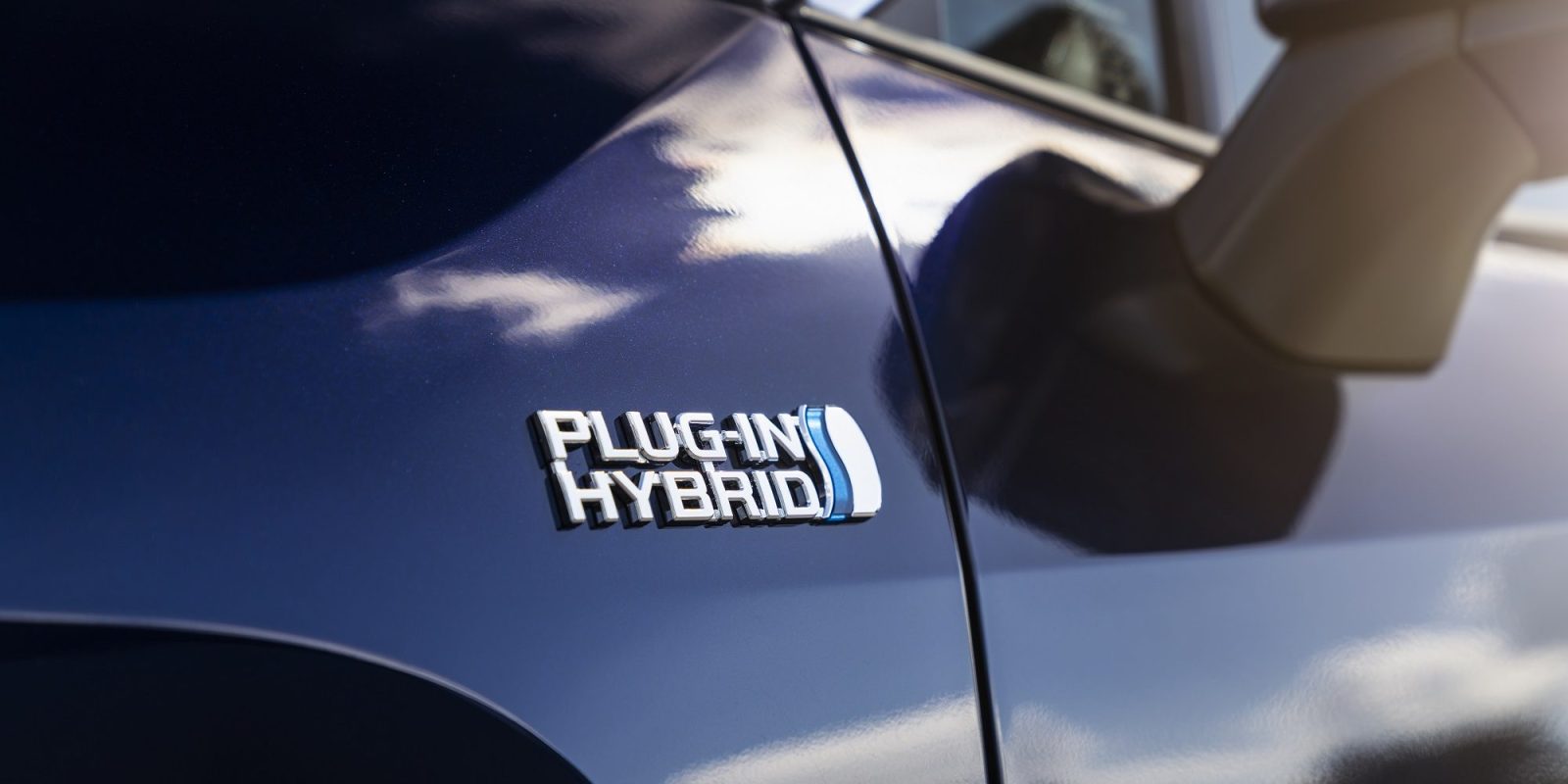
Plug-in hybrid (PHEV) vehicles are emitting significantly more pollution in real-world driving conditions than official government estimates suggest, with a new study indicating the discrepancy is six times larger than previously understood. Furthermore, the study highlights that PHEVs are becoming progressively dirtier over time, contrary to expectations that their emissions would decrease. This widening gap between claimed and actual environmental performance is attributed to a combination of factors, including how PHEVs are driven and charged, and potentially the way their emissions are tested and regulated.
The research, conducted by an unnamed entity and detailed in a report, found that the average PHEV emits approximately 8.8 grams of CO2 per kilometer (g/km) during real-world use. This figure starkly contrasts with the official laboratory-based estimates, which typically hover around 1.5 g/km. This substantial difference means that PHEVs, often marketed as a bridge to fully electric vehicles and a cleaner alternative to traditional internal combustion engine cars, are contributing far more to air pollution and greenhouse gas emissions than their regulatory labels imply. The study also observed that the real-world emissions of PHEVs have increased over the period of the study, suggesting a degradation in their environmental performance or a shift in usage patterns that favor gasoline engines.
Compounding these findings, the study points to efforts by the automotive industry lobby to obscure these emissions data and resist stricter regulatory measures. These lobbying efforts aim to make it more difficult for authorities to implement and enforce regulations that would accurately reflect the environmental impact of PHEVs. The implication is that the industry may be actively working to maintain the perception of PHEVs as a low-emission solution, despite evidence to the contrary. This situation raises concerns about the effectiveness of current emissions testing protocols and the transparency of environmental claims made by vehicle manufacturers.
The study's methodology likely involved analyzing data from a fleet of PHEVs, potentially using onboard diagnostic systems or real-world driving tests to capture actual emissions. The significant divergence between laboratory tests and real-world performance underscores a systemic issue in how vehicle emissions are assessed. Regulatory bodies and environmental agencies may need to re-evaluate their testing procedures to ensure they accurately represent the environmental impact of vehicles under typical usage conditions. The findings also suggest that consumer behavior, such as infrequent charging or reliance on the gasoline engine, plays a crucial role in the actual emissions profile of PHEVs. The increasing dirtiness of these vehicles over time is a particularly concerning trend that warrants further investigation into the underlying causes, which could include battery degradation, engine wear, or changes in driving habits.
Original source — read the full reporting at the publisher:
Read on ElectrekGet the weekly AI digest
AI news + new model releases, weekly. Drafted by our agents, reviewed by humans.