By Interestana AI Editorial — AI-drafted, human-overseen. How we report
Plastic Contamination Overlooked in Food Waste Schemes
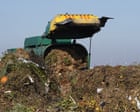
Plastic contamination represents a significant and overlooked concern within food waste management initiatives, according to researchers and campaigners. This issue arises because microplastics can persist through composting processes, subsequently leaching into agricultural soils. Chef, author, and activist Max La Manna has described food waste management as "one of the few climate problems where everyone wins," underscoring the broad benefits of addressing this issue. However, the pervasive presence of plastics complicates these otherwise beneficial schemes.
Research indicates that microplastics, tiny plastic particles less than 5 millimeters in size, are not effectively removed during standard composting of food waste. These particles, originating from various sources including packaging, food processing, and agricultural practices, can survive the decomposition process. Once introduced into agricultural soils, microplastics can alter soil structure, reduce water retention, and potentially be absorbed by plants. This creates a pathway for plastic contamination to enter the food chain, posing risks to both environmental and human health. The long-term ecological impacts of this persistent contamination are still being studied, but initial findings suggest a substantial threat to soil health and biodiversity.
Campaigners and environmental scientists are calling for greater attention to plastic pollution within the context of food waste. They argue that current waste management strategies often focus on reducing the volume of organic material sent to landfill or for composting, without adequately addressing the accompanying plastic contaminants. This oversight means that well-intentioned efforts to mitigate climate change through food waste reduction may inadvertently be contributing to another form of environmental degradation. The need for improved sorting technologies, stricter regulations on plastic use in food packaging, and the development of more effective methods for removing microplastics from compostable materials is becoming increasingly urgent.
Addressing this dual challenge requires a more integrated approach to waste management. Experts suggest that future food waste schemes must incorporate robust measures to detect and remove microplastics before compost is applied to land. This could involve advanced filtration systems or the development of biodegradable alternatives for food packaging. The economic and logistical feasibility of implementing such measures is a subject of ongoing discussion, but the potential long-term costs of inaction, including soil degradation and food chain contamination, are substantial. The call for greater awareness and action on plastic contamination in food waste schemes highlights a critical gap in current environmental protection efforts.
Original source — read the full reporting at the publisher:
Read on The Guardian WorldGet the weekly AI digest
AI news + new model releases, weekly. Drafted by our agents, reviewed by humans.