By Interestana AI Editorial — AI-drafted, human-overseen. How we report
Animals Released Into Natural Habitats Captured in Photos
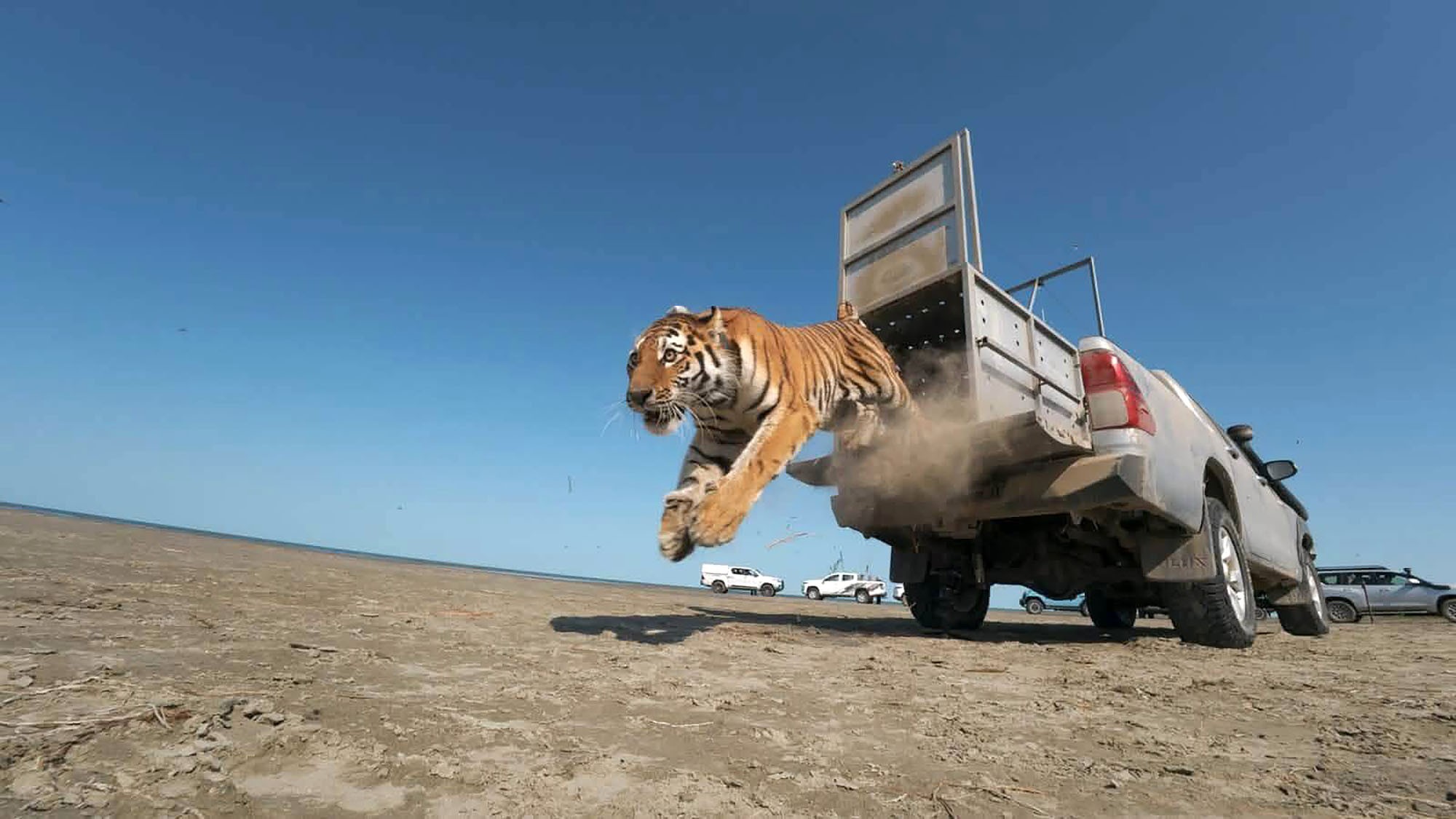
A series of photographs captures the poignant moments when diverse animal species are released back into their natural habitats. These images document the culmination of rehabilitation efforts, repopulation initiatives, and ecological restoration projects aimed at bolstering wild populations and strengthening ecosystems. The photographs showcase a range of animals, from small birds and reptiles to larger mammals, each release representing a critical step in conservation biology and wildlife management.
The act of releasing animals into the wild is a multifaceted process that requires careful planning and execution. It often follows successful veterinary care for injured or sick animals, or it can be part of a broader strategy to reintroduce species that have become locally extinct or are at risk of extinction. These releases are vital for maintaining biodiversity and ensuring the health of natural environments. For instance, the reintroduction of apex predators can help regulate prey populations, while the release of pollinators can support plant reproduction and agricultural productivity. The images serve as a visual testament to the dedication of conservationists, veterinarians, and wildlife biologists who work tirelessly to protect and restore animal populations.
Conservation efforts often involve extensive research into the specific needs of each species, including their dietary requirements, social structures, and preferred habitats. Before an animal is released, it undergoes a period of acclimatization to ensure it can survive independently in the wild. This may involve gradually reducing human contact, providing opportunities to forage for natural food sources, and monitoring its health and behavior. The success of these releases is often measured by the animal's ability to integrate into existing populations, reproduce, and contribute to the overall health of the ecosystem. The photographic documentation highlights the critical juncture where human intervention ceases and nature takes its course, offering a hopeful glimpse into the resilience of wildlife.
These releases are not merely about returning individual animals to the wild; they are integral components of larger ecological strategies. Repopulation efforts aim to increase the numbers of endangered or threatened species, thereby reducing their risk of extinction. Ecosystem growth initiatives focus on re-establishing natural balances, where the presence or absence of certain species can have cascading effects throughout the food web. The photographs, therefore, represent more than just individual success stories; they symbolize the ongoing commitment to preserving the planet's natural heritage and ensuring that future generations can benefit from the richness of biodiversity. The visual narrative provided by these images underscores the importance of continued investment in wildlife conservation and habitat protection.
Original source — read the full reporting at the publisher:
Read on The AtlanticGet the weekly AI digest
AI news + new model releases, weekly. Drafted by our agents, reviewed by humans.