By Interestana AI Editorial — AI-drafted, human-overseen. How we report
PHEV Batteries Degrade Faster With Frequent Use
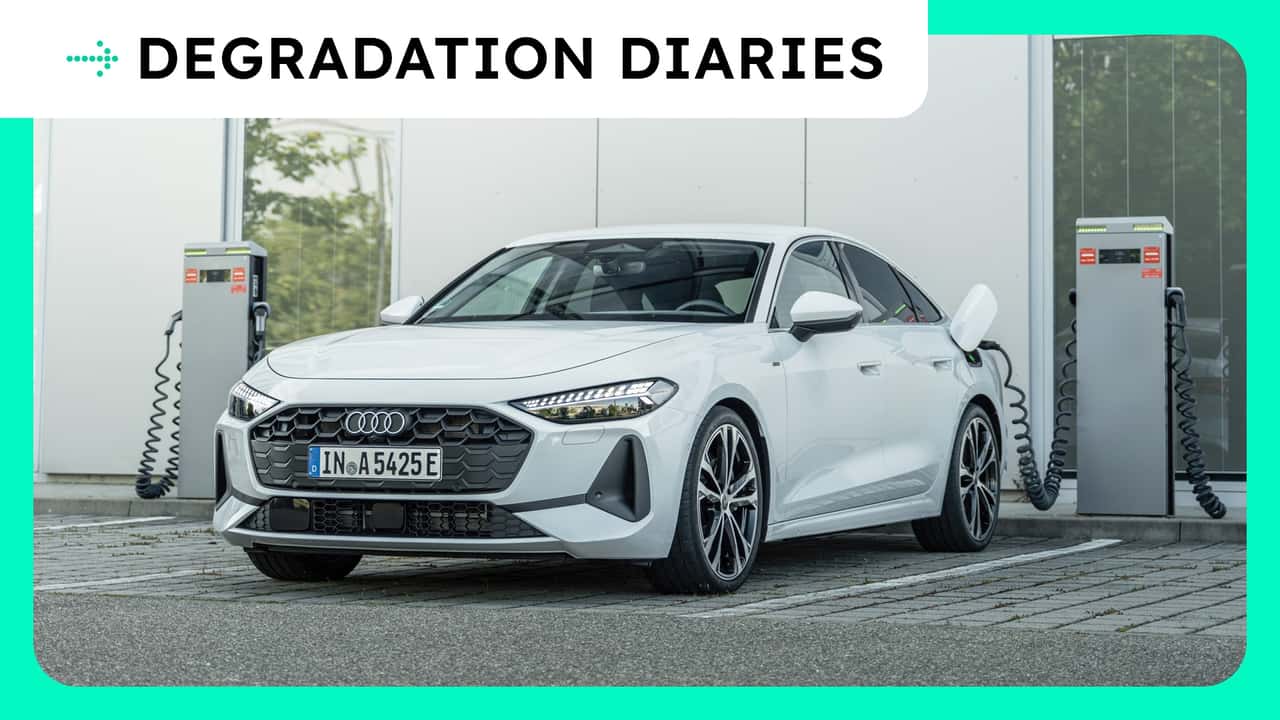
Plug-in hybrid electric vehicle (PHEV) batteries are subjected to a considerably higher number of charge cycles compared to batteries in fully electric vehicles (EVs), a factor that contributes to their accelerated degradation. While PHEVs offer the flexibility of electric-only driving for shorter distances and gasoline power for longer journeys, this dual-mode operation means their smaller battery packs are frequently charged and discharged. This intensive cycling pattern places a greater strain on the battery's chemistry and physical structure over time. EV batteries, conversely, typically undergo fewer deep cycles, as they are primarily charged overnight or at charging stations and then depleted during driving, with less frequent partial charging and discharging cycles compared to the daily use patterns of PHEVs. The exact lifespan of a PHEV battery is influenced by numerous factors, including the specific battery chemistry employed by the manufacturer, the size of the battery pack, the climate in which the vehicle is operated, and the driving habits of the owner. For instance, frequent short trips that necessitate constant charging and discharging will accelerate wear more than less frequent use of the electric mode. Despite this increased cycling, manufacturers generally design PHEV batteries to last for a substantial period, often warranting them for eight years or 100,000 miles, similar to EV batteries. However, the rate of capacity loss may be more pronounced in PHEVs if they are consistently used in a manner that maximizes battery cycling. This means that while a PHEV battery might still function effectively for many years, its maximum electric range could diminish more noticeably over its lifespan than that of an EV battery under typical usage. The technology behind PHEV batteries is continuously evolving, with advancements in battery management systems and materials aimed at improving longevity and reducing the impact of frequent cycling. Ultimately, the trade-off for the convenience and fuel efficiency offered by PHEVs includes a battery that experiences a more demanding operational life, potentially leading to a faster rate of degradation compared to batteries in pure electric vehicles.
Original source — read the full reporting at the publisher:
Read on InsideEVsGet the weekly AI digest
AI news + new model releases, weekly. Drafted by our agents, reviewed by humans.