By Interestana AI Editorial — AI-drafted, human-overseen. How we report
Toyota Reportedly Exploring Extended-Range EVs
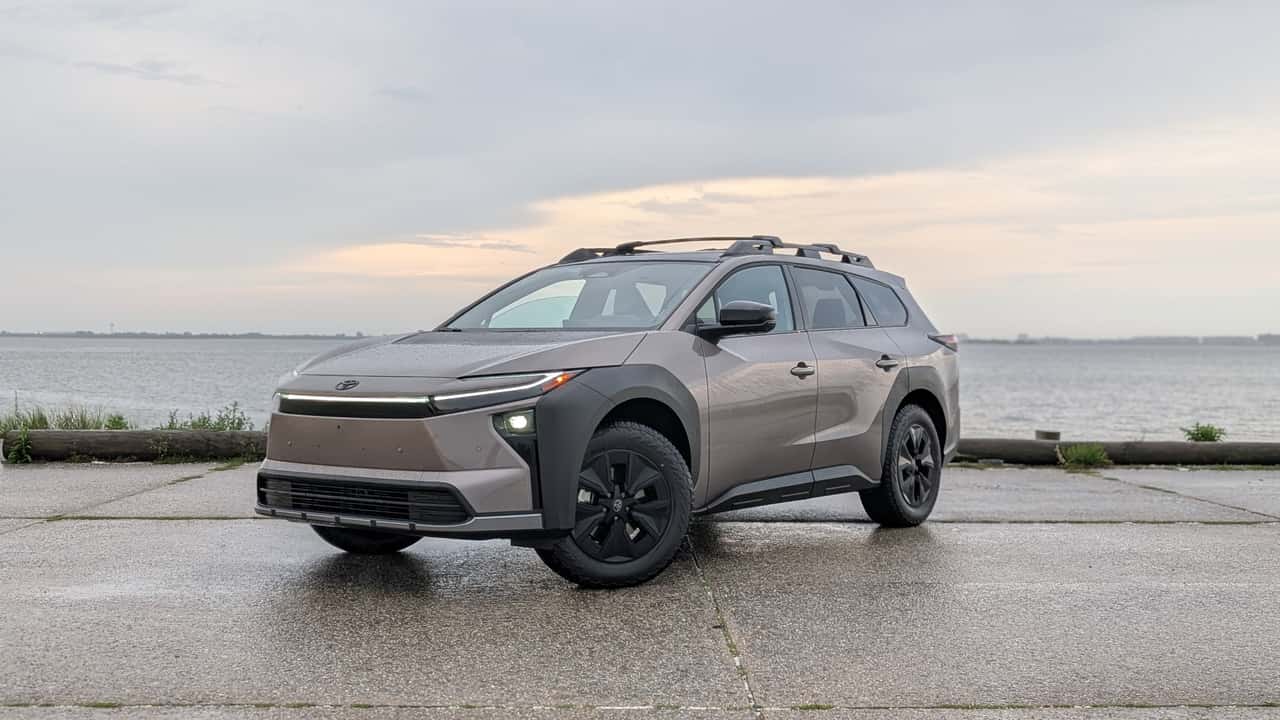
Toyota is reportedly exploring the development of Extended-Range Electric Vehicles (EREVs), a segment of the electric vehicle market that is experiencing significant growth, particularly in China. This move indicates Toyota's potential strategy to compete in a landscape increasingly dominated by battery-electric vehicles (BEVs) while also addressing consumer concerns about range anxiety.
EREVs, also known as range-extended electric vehicles, utilize a small internal combustion engine (ICE) that acts solely as a generator to recharge the battery, rather than directly powering the wheels. This setup allows the vehicle to operate on electric power for a significant portion of its driving range, with the gasoline engine providing backup power to extend that range or recharge the battery when needed. This hybrid approach offers a compromise between the zero-emission benefits of BEVs and the convenience of traditional gasoline-powered vehicles, which can be refueled quickly.
The Chinese market has seen a surge in popularity for EREVs, with several domestic manufacturers introducing models that have resonated with consumers. These vehicles often offer a longer total driving range than many pure BEVs and can be refueled at conventional gas stations, alleviating the charging infrastructure limitations that some consumers face. Companies like Li Auto have achieved considerable success with their EREV offerings, demonstrating a clear market demand for this technology. Toyota's reported interest suggests they are closely monitoring these trends and seeking to adapt their product portfolio to meet evolving consumer preferences and regulatory environments.
While specific details about Toyota's EREV plans remain unconfirmed, the company has a history of exploring various powertrain technologies, including hybrids, plug-in hybrids, and hydrogen fuel cells. The potential introduction of EREVs would represent another facet of their multi-pathway approach to electrification. The company has not officially announced any new EREV models or development timelines. However, industry analysts suggest that if Toyota proceeds, they would likely leverage their extensive experience in hybrid technology to develop efficient and reliable EREV systems. The success of such a venture would depend on Toyota's ability to integrate their powertrain expertise with the specific demands of the EREV market, particularly in regions where this technology is gaining momentum.
Original source — read the full reporting at the publisher:
Read on InsideEVsGet the weekly AI digest
AI news + new model releases, weekly. Drafted by our agents, reviewed by humans.