By Interestana AI Editorial — AI-drafted, human-overseen. How we report
Health Facilities Fail Pandemic Preparedness Drill
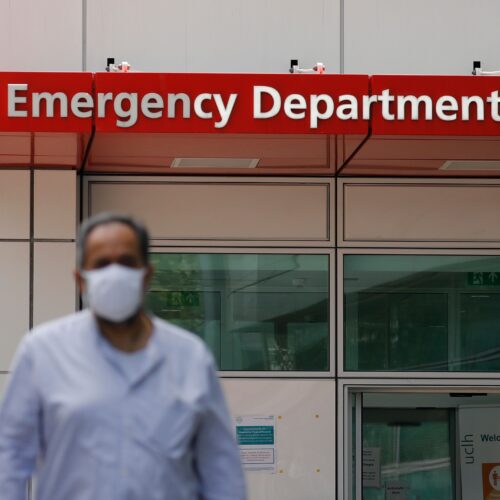
A regional drill designed to test the response of healthcare facilities to a patient with a mystery infection capable of posing a pandemic-level threat revealed significant preparedness shortcomings, with 40 percent of participating facilities failing to meet basic response criteria. The exercise, conducted by health officials in New York, aimed to identify and evaluate the effectiveness of local healthcare systems in the initial stages of a potential outbreak. Findings indicated that responses were generally slow, and the appropriate use of personal protective equipment (PPE) was inconsistent among staff. The study, published in the Morbidity and Mortality Weekly Report, highlighted that only 60 percent of facilities successfully passed the fundamental aspects of the test, resulting in an overall failing grade. Officials noted in their published findings that "These drills identified needs for health care workers and health care facility staff member training to achieve earlier identification, masking, and isolation of potentially infectious febrile patients." This underscores a critical need for enhanced training protocols to ensure timely and effective containment measures are implemented at the local level when faced with emerging infectious disease threats. The drill's results serve as a stark reminder of the vulnerabilities exposed by the COVID-19 pandemic, emphasizing that preparedness gaps extend beyond national and global levels to the very first points of contact within the healthcare system. The exercise simulated a scenario where a patient presented with symptoms indicative of a highly contagious and potentially deadly illness, requiring immediate isolation and diagnostic procedures. The evaluation focused on several key performance indicators, including the speed of patient assessment, the accuracy of initial diagnoses, the proper donning and doffing of PPE, and the establishment of isolation protocols. The fact that a substantial portion of facilities struggled with these fundamental steps suggests a systemic issue in preparedness and operational readiness. The officials' statement points directly to a need for more robust and frequent training programs for healthcare professionals, focusing on early recognition of infectious symptoms, immediate masking of potentially infectious individuals, and prompt isolation to prevent further transmission. The implications of these findings are significant, suggesting that without targeted interventions and improvements, future pandemic response efforts could be hampered by delays and inadequate containment at the community level. The study's publication in the Morbidity and Mortality Weekly Report, a key publication for the Centers for Disease Control and Prevention (CDC), lends significant weight to its findings and recommendations for improving public health infrastructure and readiness.
Original source — read the full reporting at the publisher:
Read on Ars TechnicaGet the weekly AI digest
AI news + new model releases, weekly. Drafted by our agents, reviewed by humans.