By Interestana AI Editorial — AI-drafted, human-overseen. How we report
Public Schools Adapt to Parental Choice and Shifting Demands
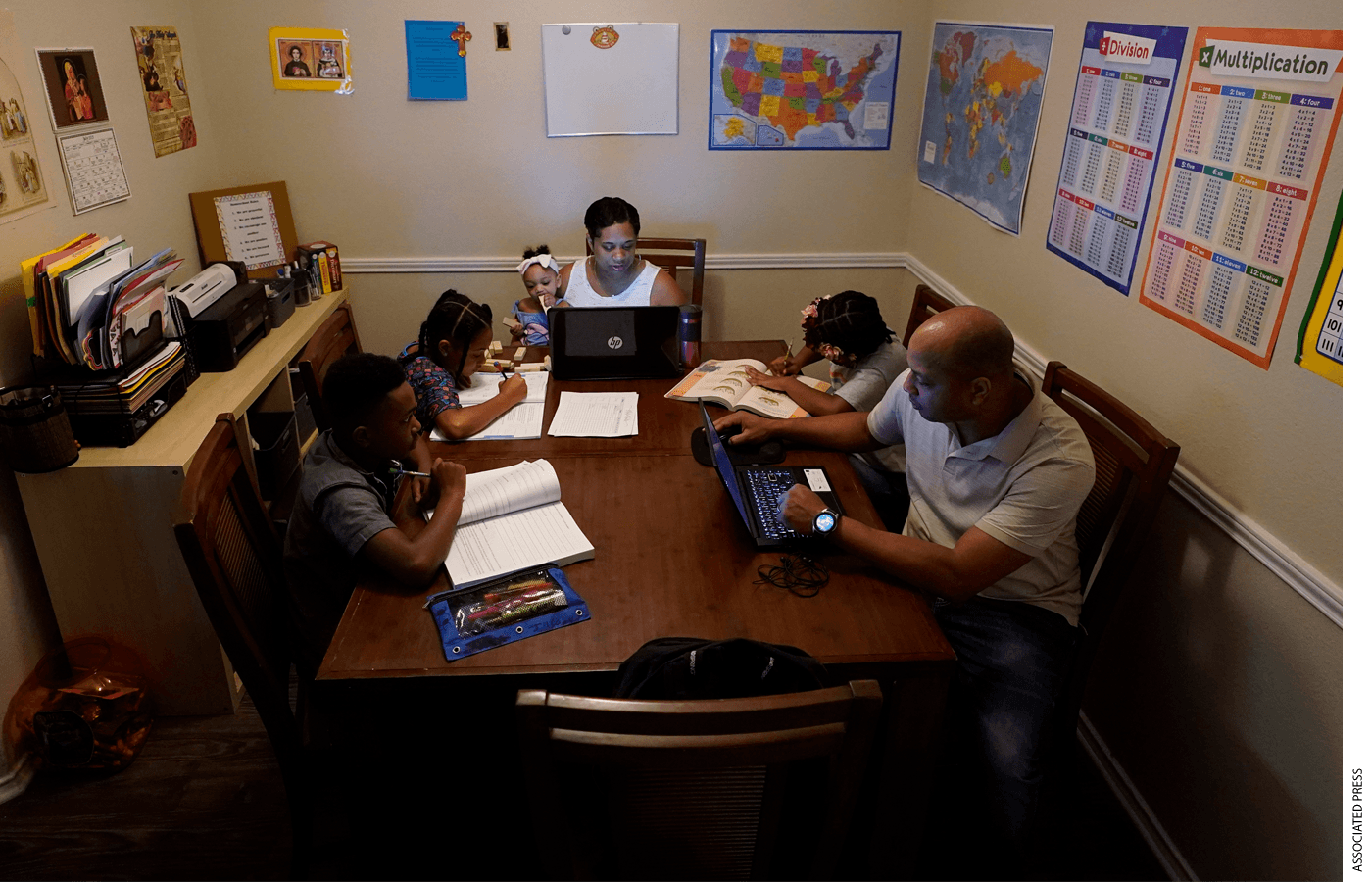
Public school districts are beginning to interpret parental choice, including the sustained rise in homeschooling post-pandemic, as valuable feedback rather than solely a threat. This shift is prompting innovative approaches to education, with some districts experimenting with alternative learning models to better meet the diverse needs and preferences of families. West Virginia Board of Education President Paul Hardesty has acknowledged this new reality, stating that public schools are "competing for enrollment" and must become "more accommodating, more receptive and more accessible to parents and students."
These adaptations include the development of microschools, which offer smaller, more flexible learning environments. For example, one public district in rural North Carolina is piloting a microschool model for middle schoolers that incorporates AI support and entrepreneurship education through managing an Airbnb. In rural Indiana, a district leader initiated a nature-based public microschool after observing families who found traditional schools unsuitable for their children considering homeschooling.
Beyond microschools, districts are exploring other avenues to retain and attract students. Some are expanding career-connected learning pathways, aiming to provide students with practical skills and real-world experience. Others are focusing on improving communication about the existing educational options they offer, ensuring parents are fully aware of the programs and resources available. These efforts reflect a growing understanding among public school leaders that understanding the reasons behind families' departures and their desired alternatives is crucial for adapting to the evolving educational landscape.
The trend of increased parental choice, amplified by the pandemic, is also evidenced by the expansion of charter schools, vouchers, and education savings accounts in various states. This broader movement underscores a significant demand for differentiated educational experiences that go beyond the traditional one-size-fits-all approach. Public schools are thus being challenged to become more responsive and to actively listen to the messages sent by families exercising their choice in education.
Original source — read the full reporting at the publisher:
Read on Education NextGet the weekly AI digest
AI news + new model releases, weekly. Drafted by our agents, reviewed by humans.