Oil Prices Fall Amid Stable Hormuz Flows and OPEC+ Supply Signals
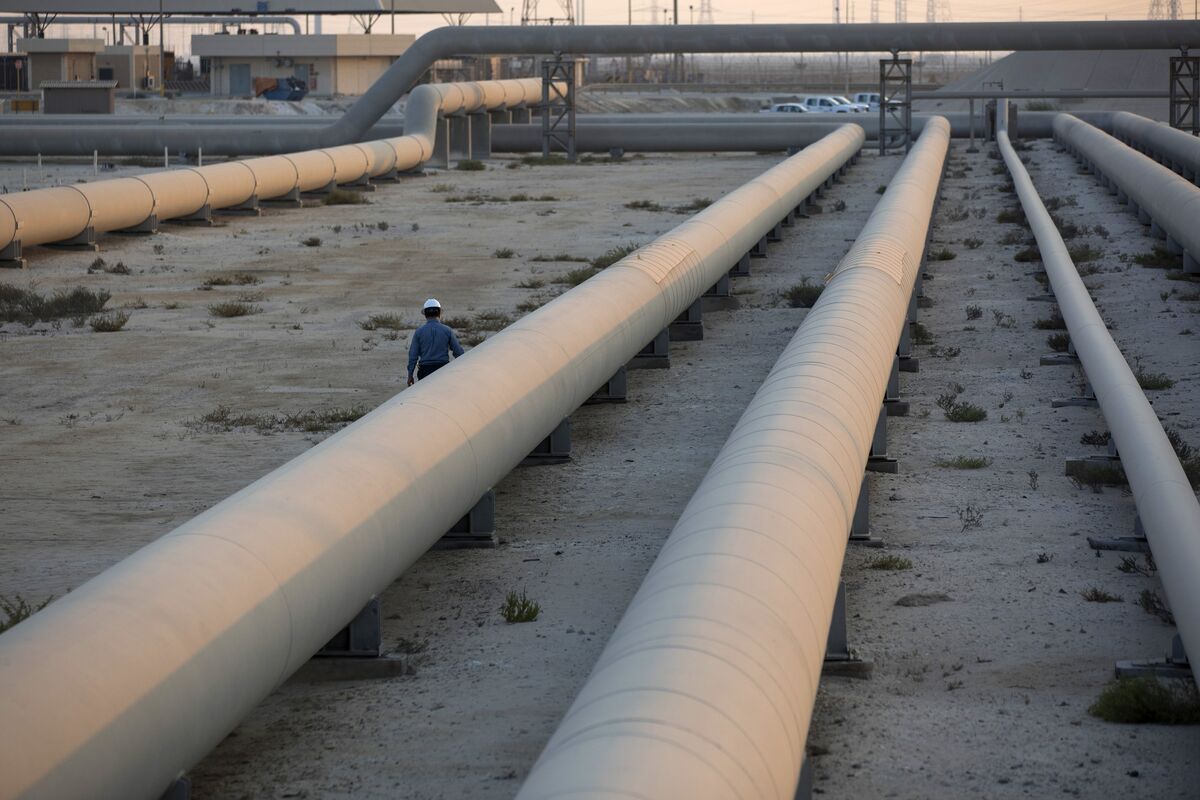
Crude oil prices experienced a decline as energy shipments continued to flow unimpeded through the Strait of Hormuz. This stability, coupled with signals from OPEC+ suggesting a potential increase in global oil supply, has amplified concerns about an oversupply in the market. The benchmark Brent crude futures for August delivery fell by $0.75, or 0.9%, to $81.32 a barrel by 07:30 GMT. Similarly, U.S. West Texas Intermediate (WTI) crude futures for July delivery dropped by $0.70, or 0.9%, to $76.85 a barrel.
These price movements reflect market sentiment that the immediate supply risks, often associated with geopolitical tensions in the Middle East, are currently being mitigated. The Strait of Hormuz is a critical chokepoint for global oil trade, with approximately 20% of global oil consumption passing through it annually. Any disruption here typically leads to significant price spikes. The continued safe passage of tankers suggests that current tensions have not yet translated into tangible supply disruptions.
Adding to the downward pressure on prices, the Organization of the Petroleum Exporting Countries and its allies (OPEC+) have indicated a willingness to increase production. While specific details on the volume and timing of these potential increases have not been fully disclosed, the mere suggestion of higher supply can dampen market sentiment. OPEC+ has historically managed global oil supply to influence prices, and any indication of a shift towards increased output is closely watched by traders and analysts.
Analysts are now closely monitoring the upcoming OPEC+ meetings and economic data releases for further clarity on future supply levels and demand outlooks. The market is also factoring in broader economic indicators, including inflation rates and growth prospects in major economies, which influence overall energy demand. The interplay between persistent supply flows, potential OPEC+ output adjustments, and global economic health will be key determinants of oil price direction in the coming weeks.
Original source — read the full reporting at the publisher:
Read on Bloomberg Markets