India Banks Cut Short-Term Debt Sales Amid Cheaper Forex Funding
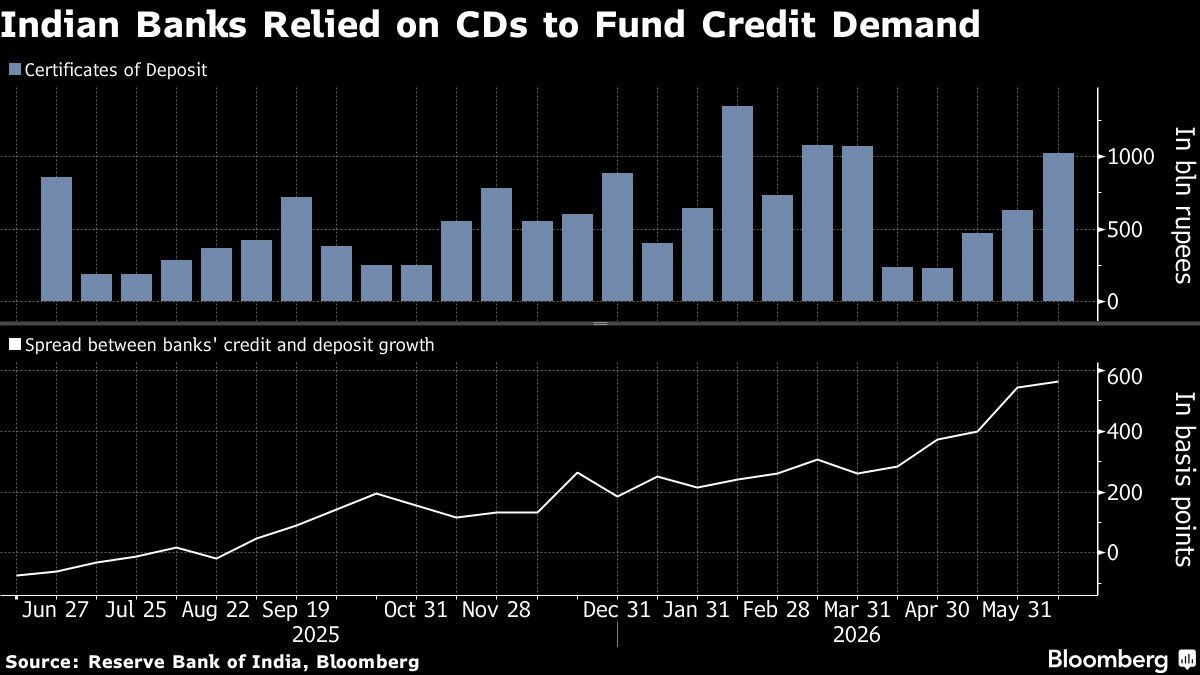
Indian banks have significantly reduced their issuance of short-term debt, a move driven by the Reserve Bank of India's (RBI) recent initiatives to attract foreign-currency deposits. This strategic shift aims to leverage a more cost-effective and stable funding source, thereby decreasing reliance on the domestic money market for immediate liquidity needs. The RBI's efforts, particularly the liberalization of rules for Non-Resident External (NRE) and Foreign Currency Non-Resident (FCNR) deposits, have made foreign currency funding more accessible and cheaper for lenders.
This development comes as banks are seeking to optimize their funding costs in a dynamic interest rate environment. By tapping into foreign currency deposits, Indian lenders can secure funds at rates that are often more competitive than those available through domestic short-term debt instruments. This not only lowers their borrowing expenses but also provides a more predictable funding runway, which is crucial for managing balance sheet growth and meeting regulatory requirements. The increased inflow of foreign currency deposits is a direct consequence of policy adjustments designed to bolster the country's foreign exchange reserves and stabilize the rupee.
The reduction in short-term debt sales by banks indicates a broader trend towards diversifying funding sources and enhancing financial resilience. It suggests that the banking sector is adapting to global financial conditions and leveraging policy incentives to improve its financial architecture. This strategy is expected to contribute to greater stability in the domestic money markets by reducing the demand from large institutional borrowers, potentially leading to more predictable interest rate movements. The focus on foreign currency funding also aligns with India's objective of strengthening its external financial position and reducing its vulnerability to currency fluctuations.
Original source — read the full reporting at the publisher:
Read on Bloomberg Markets