By Interestana AI Editorial — AI-drafted, human-overseen. How we report
East Coast Offshore Wind Projects Face Economic and Political Headwinds
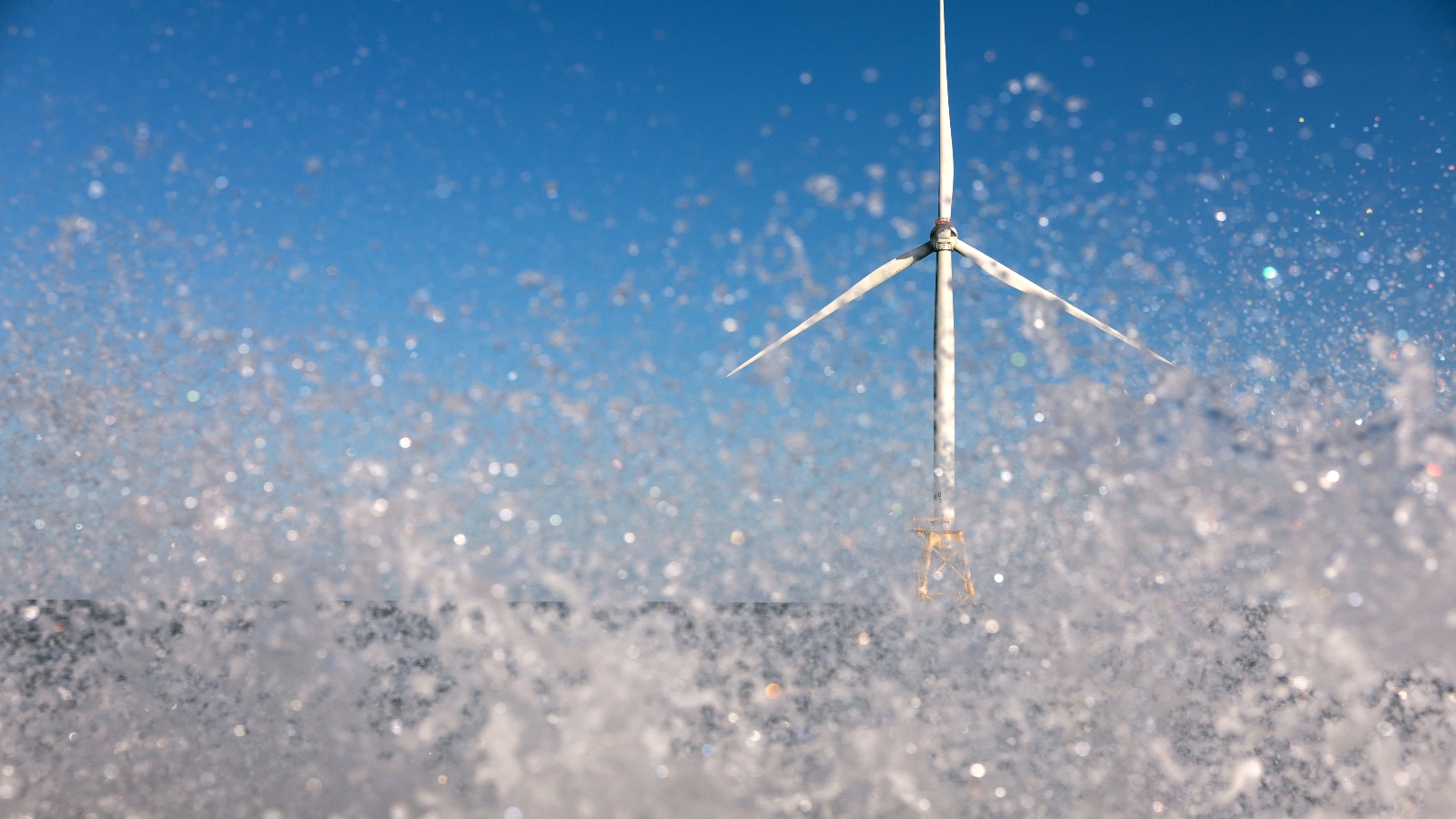
Offshore wind power projects on the U.S. East Coast are facing significant challenges, hindering the region's ability to meet renewable energy targets and address rising electricity prices. The East Coast's densely populated landscape and aging power infrastructure limit options for large-scale renewable energy development, making offshore wind a critical but increasingly precarious solution. Experts note that the industry is currently struggling under substantial economic headwinds and what is described as an "openly hostile federal government." While offshore wind is not entirely defunct, advocates observe a decline in its momentum precisely when the region most needs its contribution.
Developers in the offshore wind sector had already grappled with high construction costs. The situation was exacerbated when the Trump administration took office in 2025, introducing a series of obstacles. These included questionable Pentagon reviews, permit revocations, and stop-work orders, some of which were only temporarily halted by judicial intervention. A particularly impactful decision by the administration was its offer to pay developers to relinquish their rights to develop in federally managed waters. By mid-August, approximately $4 billion had been committed to these buyouts, effectively removing an estimated 21 gigawatts of potential wind power capacity from U.S. coastlines. This amount of capacity is equivalent to powering over 15 million average-sized U.S. homes, and experts anticipate further such agreements could be made.
As the industry awaits improved conditions, it is navigating what offshore wind experts characterize as an "irked malaise." Mark Repsher, an energy and sustainability expert at PA Consulting, stated that while companies attempt to maintain optimism, a deeper examination reveals a mix of emotions including anger and sadness among professionals dedicated to the field. Many have dedicated their careers to offshore wind, only to see their work put on hold. Currently, at least nine companies, predominantly European energy giants like Shell, still hold offshore wind development rights. However, it appears increasingly unlikely that some of these entities will secure favorable deals. Denmark-based Orsted, identified as the world's largest developer in this sector, is among those facing these difficult circumstances. The broader economic climate, marked by inflation and rising interest rates, has also increased the cost of capital for these large-scale infrastructure projects, further straining developer finances and project viability.
Original source — read the full reporting at the publisher:
Read on GristGet the weekly AI digest
AI news + new model releases, weekly. Drafted by our agents, reviewed by humans.