By Interestana AI Editorial — AI-drafted, human-overseen. How we report
NSW Koala National Park Approved, Capping State Logging
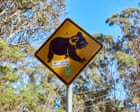
The Australian federal government has approved the creation of the Great Koala National Park in New South Wales, a significant conservation initiative aimed at protecting koala habitats and capping logging activities across the state. This approval is expected to generate hundreds of millions of dollars through the creation of carbon credits, a mechanism designed to incentivize environmental protection by valuing carbon sequestration. The project has, however, sparked a division among environmentalists, highlighting differing views on the effectiveness and implications of such conservation strategies.
The establishment of the park represents a major victory for years of campaigning by conservation groups focused on safeguarding the habitat of numerous threatened species, most notably the koala. By designating this area as a national park, the intention is to permanently remove it from logging operations, thereby preserving the ecological integrity of the region. The park's creation is anticipated to provide a secure and expanded territory for koala populations, which have faced significant decline due to habitat loss and other environmental pressures. The carbon credit scheme is a key component, offering a financial incentive for the conservation efforts by allowing the sequestration of carbon in the protected forests to be monetized.
This development comes at a time when environmental policy and conservation funding are under scrutiny, with the Albanese government signaling a commitment to nature-based solutions. The potential revenue from carbon credits could fund ongoing management and conservation efforts within the park, creating a self-sustaining model for environmental protection. However, the proposal's reliance on carbon markets has drawn criticism from some environmental advocates who question the long-term efficacy and potential for greenwashing within such financial mechanisms. The debate centers on whether the park's creation, coupled with the carbon credit system, truly represents a win for conservation or if it introduces new complexities that could undermine broader environmental goals.
The political landscape surrounding the park's approval also presents challenges. The Greens party, a key player in environmental policy, has expressed reservations about the carbon credit component, suggesting it could be a distraction from more direct conservation funding and potentially lead to loopholes. Their stance could influence the final legislative path of the park and its associated financial mechanisms. The success of the Great Koala National Park will likely depend on careful management, transparent accounting of carbon credits, and continued advocacy to ensure that the primary goal of species and habitat protection remains paramount, navigating the complex interplay between conservation, economic incentives, and political will.
Original source — read the full reporting at the publisher:
Read on The Guardian EnvironmentGet the weekly AI digest
AI news + new model releases, weekly. Drafted by our agents, reviewed by humans.