By Interestana AI Editorial — AI-drafted, human-overseen. How we report
Rotterdam ROCKS! Project Faces Criticism Over Sustainability Claims
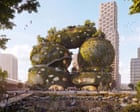
The architectural firm MVRDV, known for the Marble Arch Mound in London, has unveiled its latest proposal, Rotterdam ROCKS!, a large-scale artificial rock formation intended for a waterfront site in Rotterdam's port. This project, which won a significant architectural competition, aims to be a "new world wonder" and inspire visitors to adopt sustainable lifestyles. However, the design has faced immediate criticism, with some online commentators likening it to the "vomitings of a cartoon ogre" and questioning its environmental credentials.
Rotterdam ROCKS! is depicted in slick renderings as a towering pile of artificial rocks, densely covered in foliage and featuring a prominent waterfall. MVRDV, the Dutch architectural firm behind the design, claims the project will promote sustainability. This assertion is being met with skepticism, particularly in an era where the environmental impact of new construction is under increasing scrutiny. Critics argue that the "greenest building is the one that already exists," suggesting that large, new structures like Rotterdam ROCKS! may not align with genuine sustainability goals.
The project's cost and potential for environmental degradation are significant concerns. While specific figures for Rotterdam ROCKS! are not detailed in the provided text, the comparison to the Marble Arch Mound, which was widely criticized for its cost and perceived lack of substance, raises red flags. The Marble Arch Mound, completed in 2021, reportedly cost £6 million and was intended to draw shoppers back to Oxford Street, but it faced public derision for its appearance and short lifespan. The potential for Rotterdam ROCKS! to become a "vanity bauble that ages like milk" is a concern, implying that its aesthetic and functional appeal might diminish rapidly, mirroring criticisms of previous MVRDV projects.
The context of Rotterdam's port, Europe's largest, adds another layer to the debate. Developing a prominent site with a structure that may not be genuinely sustainable raises questions about the city's commitment to environmental stewardship. The project's ambition to be a "new world wonder" is juxtaposed against the practical realities of resource consumption and the long-term ecological footprint of such a monumental construction. The success of Rotterdam ROCKS! hinges not only on its architectural merit but also on its ability to demonstrably contribute to sustainable practices rather than merely appearing to do so, a challenge that MVRDV has faced criticism for in the past.
Original source — read the full reporting at the publisher:
Read on The Guardian EnvironmentGet the weekly AI digest
AI news + new model releases, weekly. Drafted by our agents, reviewed by humans.