By Interestana AI Editorial — AI-drafted, human-overseen. How we report
Nuclear Regulators Propose Eliminating ALARA Safety Principle
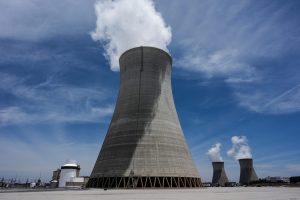
The U.S. Nuclear Regulatory Commission (NRC) has proposed eliminating the "as low as reasonably achievable" (ALARA) principle, a foundational safety standard that has guided radiation protection for approximately 50 years in the United States and has been adopted internationally. This principle mandates that facilities using radioactive materials, including nuclear power plants, hospitals, and academic institutions, must strive to keep radiation exposures to individuals as low as practically possible, even below established dose limits. The ALARA principle has historically worked in conjunction with dose limits, which set the maximum permissible radiation exposure for the public and radiation workers. While dose limits are not changing under the proposed rule, the NRC intends to replace ALARA with a "graded approach." This new approach would require facilities to implement varying levels of radiation protection measures based on the potential radiation dose to workers, with more stringent controls mandated as exposures approach the established dose limits. The NRC, which oversees civilian nuclear energy technologies and radioactive materials, stated that this change aims to remove ambiguity from current regulations. NRC Chairman Ho Nieh asserted that the commission is not lowering safety standards but rather clarifying them. This regulatory shift occurs amidst a broader push to expand domestic nuclear energy production. President Donald Trump has expressed a goal to quadruple nuclear energy output to meet surging electricity demand, partly driven by the growth of data centers and the artificial intelligence sector. Reforming the NRC's regulations is seen as a component of this strategy to accelerate nuclear reactor development. Last year, President Trump issued an executive order directing the NRC to "adopt science-based radiation limits." The Department of Energy, responsible for national energy policies, has already discontinued its use of the ALARA principle. The NRC anticipates finalizing its revised radiation protection regulations in the coming months. Research consistently indicates that radiation exposure increases cancer risk, with the risk escalating as the dose increases. The existing dose limits are designed to protect against these risks, and the ALARA principle served as an additional layer of safety by encouraging minimization of exposure.
Original source — read the full reporting at the publisher:
Read on FortuneGet the weekly AI digest
AI news + new model releases, weekly. Drafted by our agents, reviewed by humans.